
Award-winning Work: Dujiangyan City Architecture and Surrounding Site Project Design Proposal
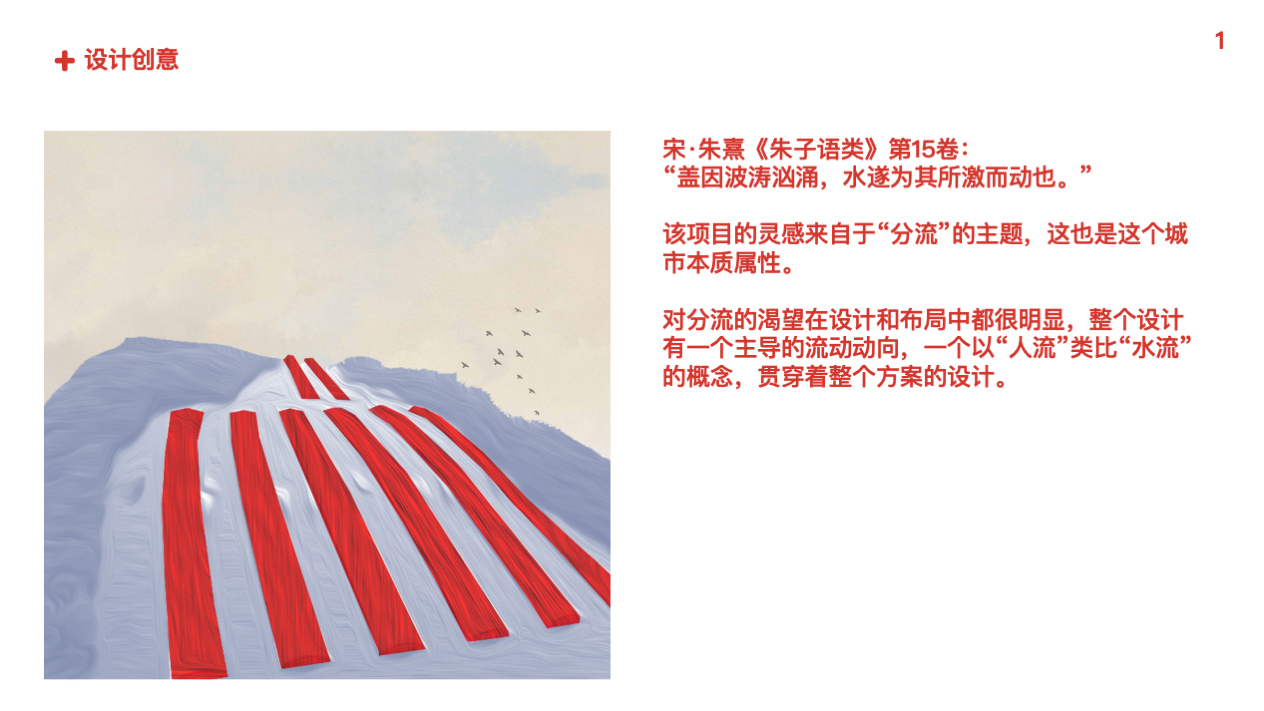
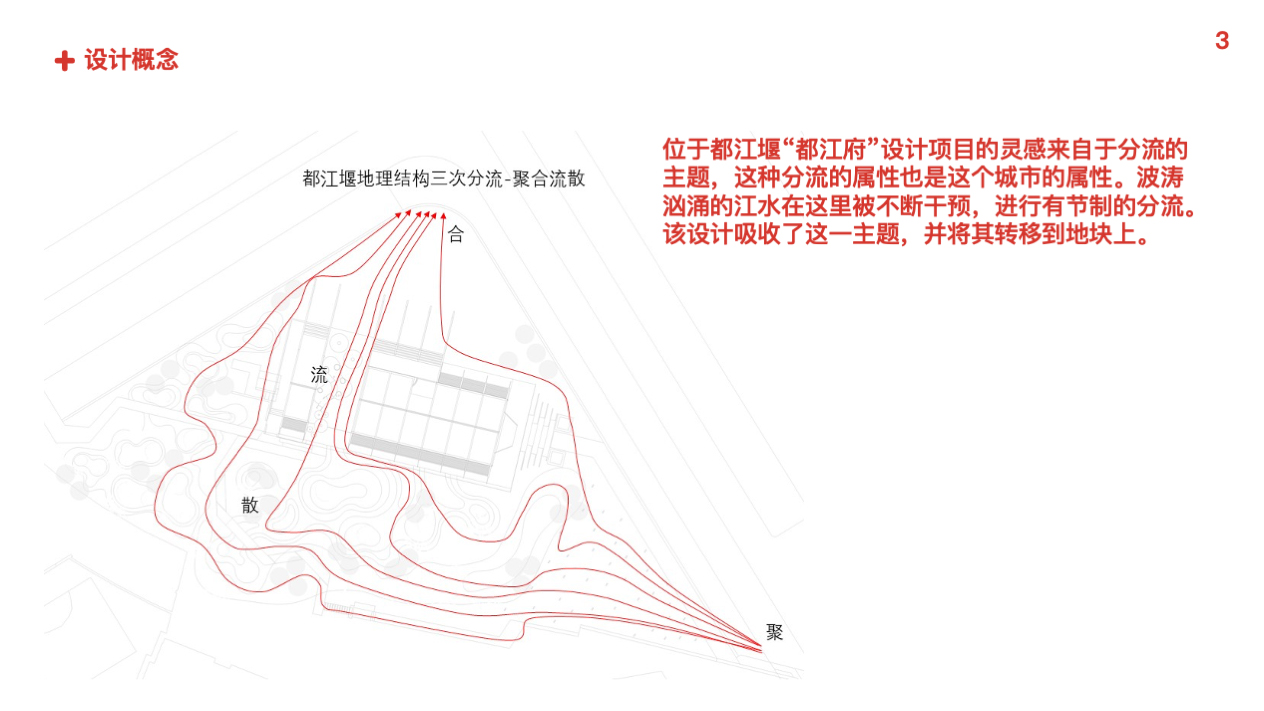
Located in Dujiangyan, the "Dujiang Mansion" design project draws inspiration from the theme of diversion, a characteristic that also defines the city itself. The surging river waters here are continuously intervened and regulated through controlled diversion.
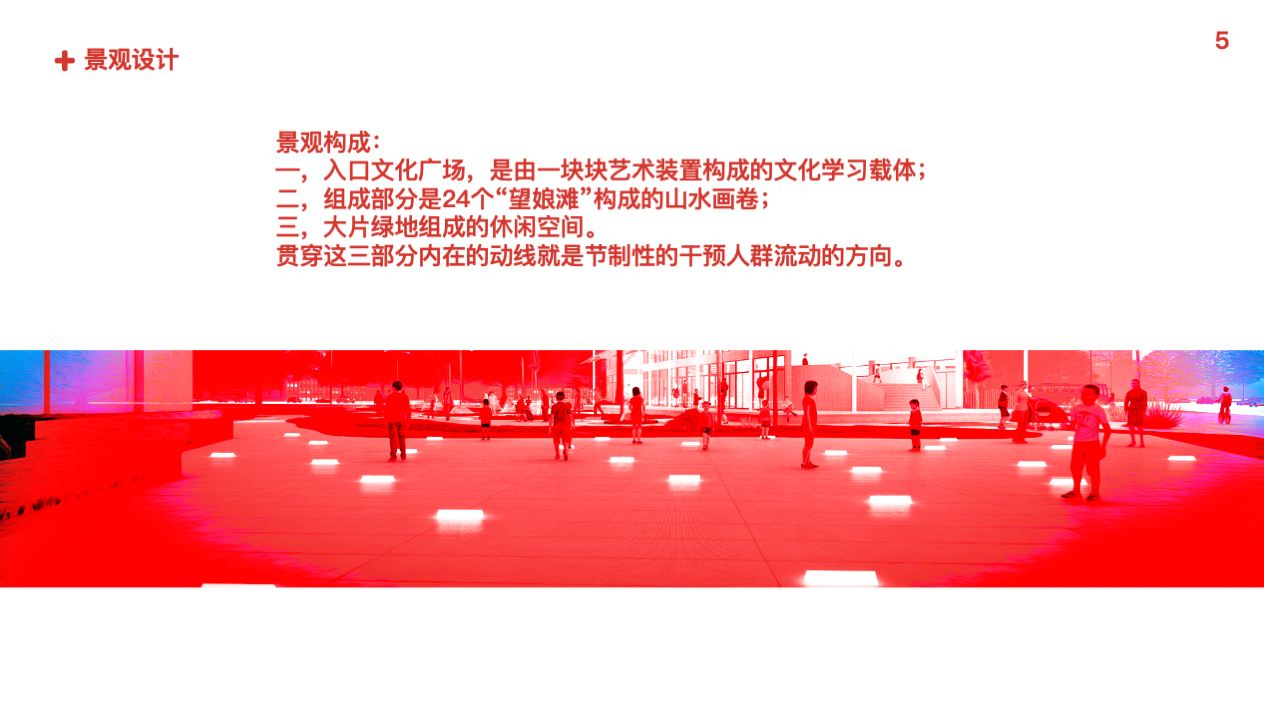
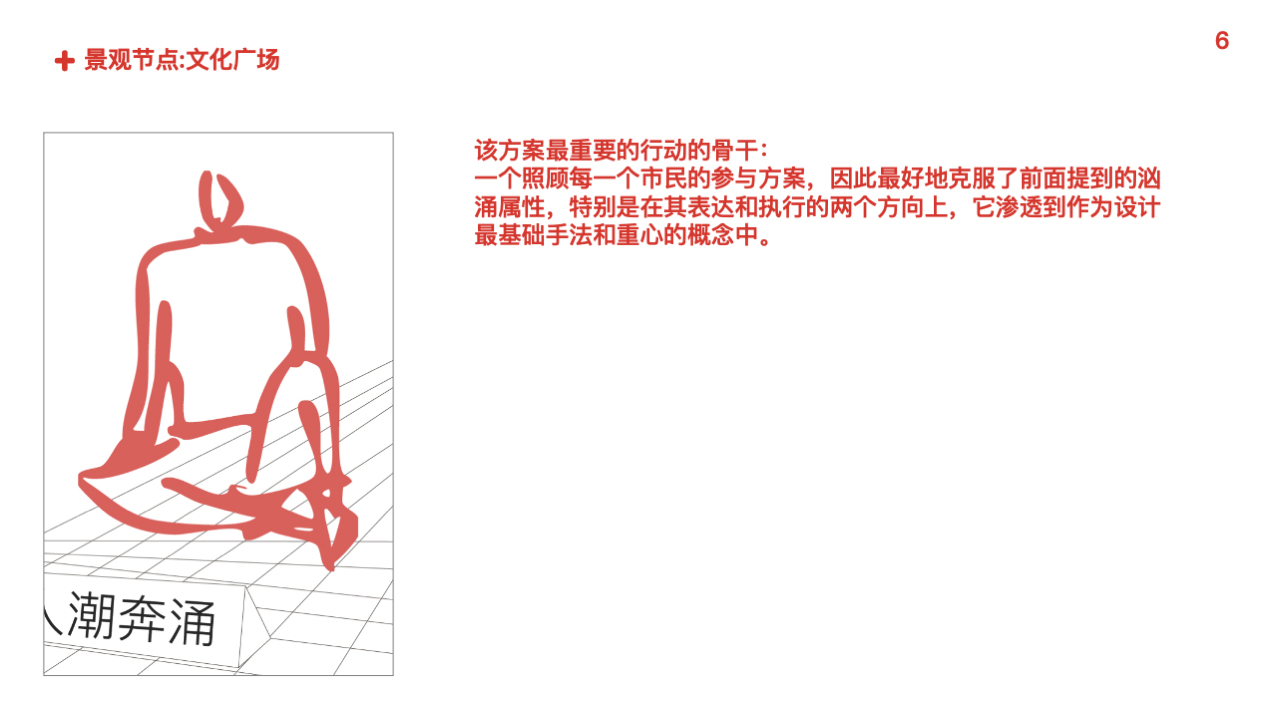
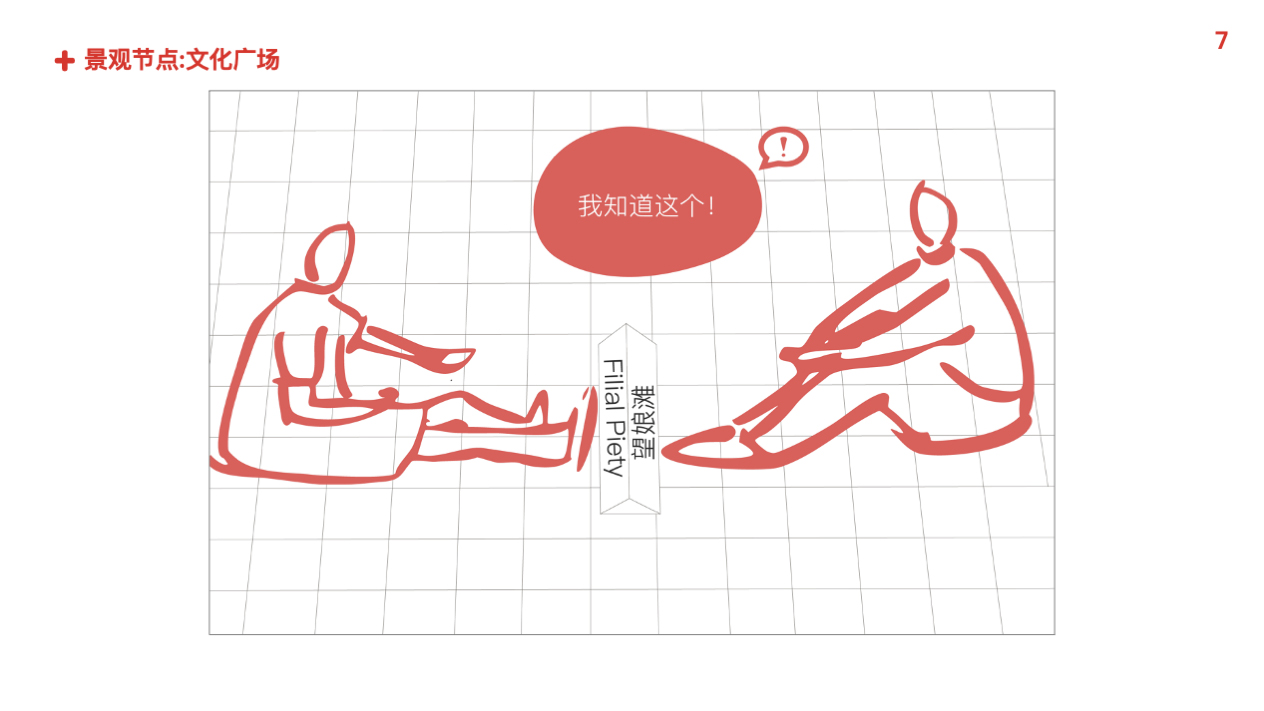
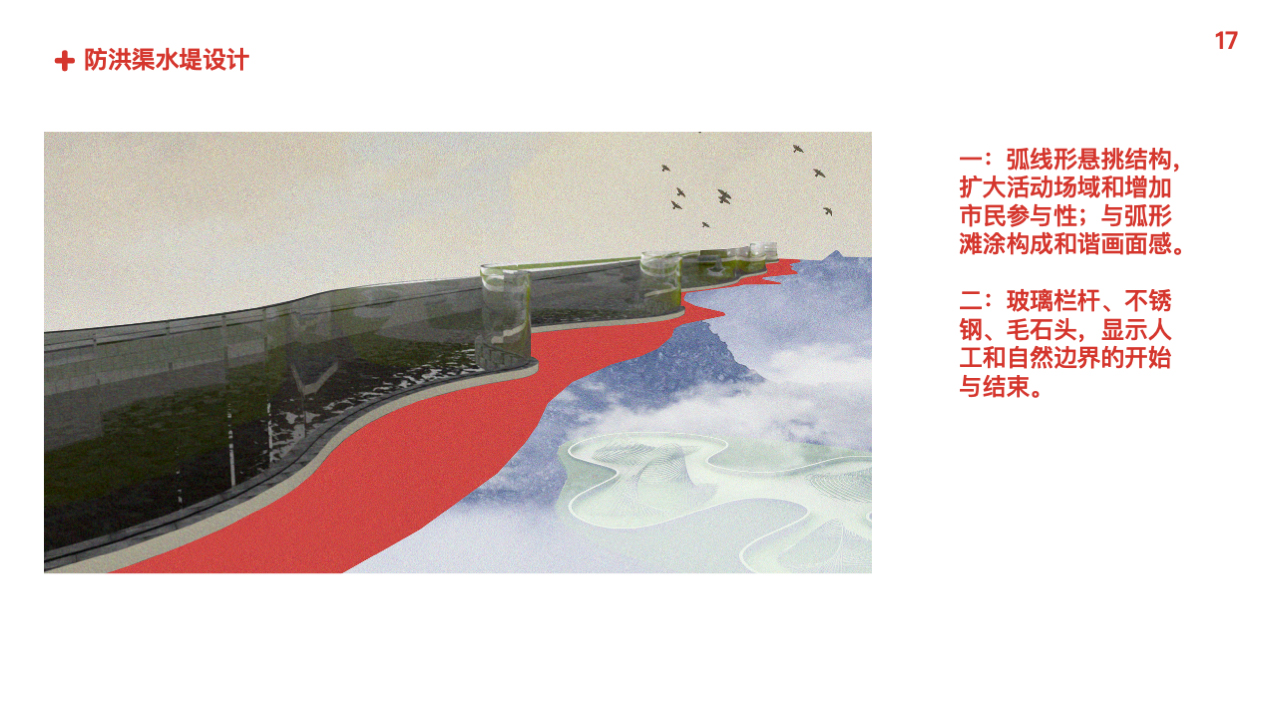
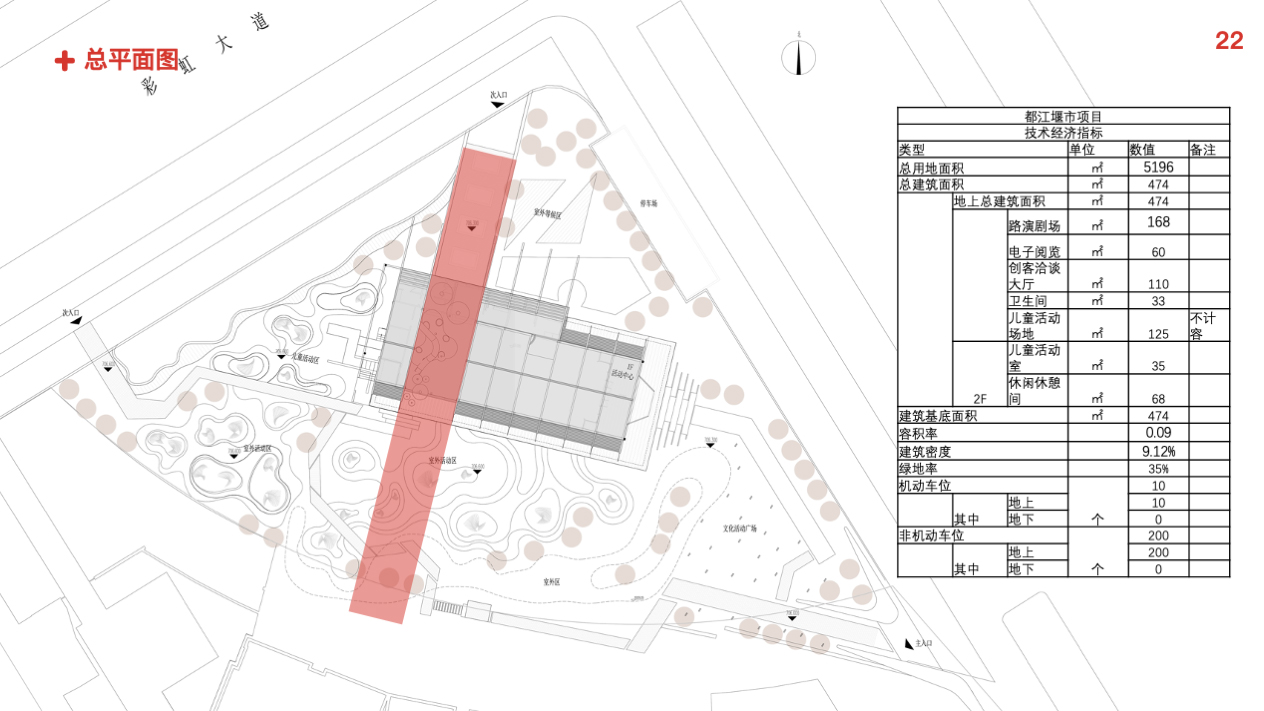
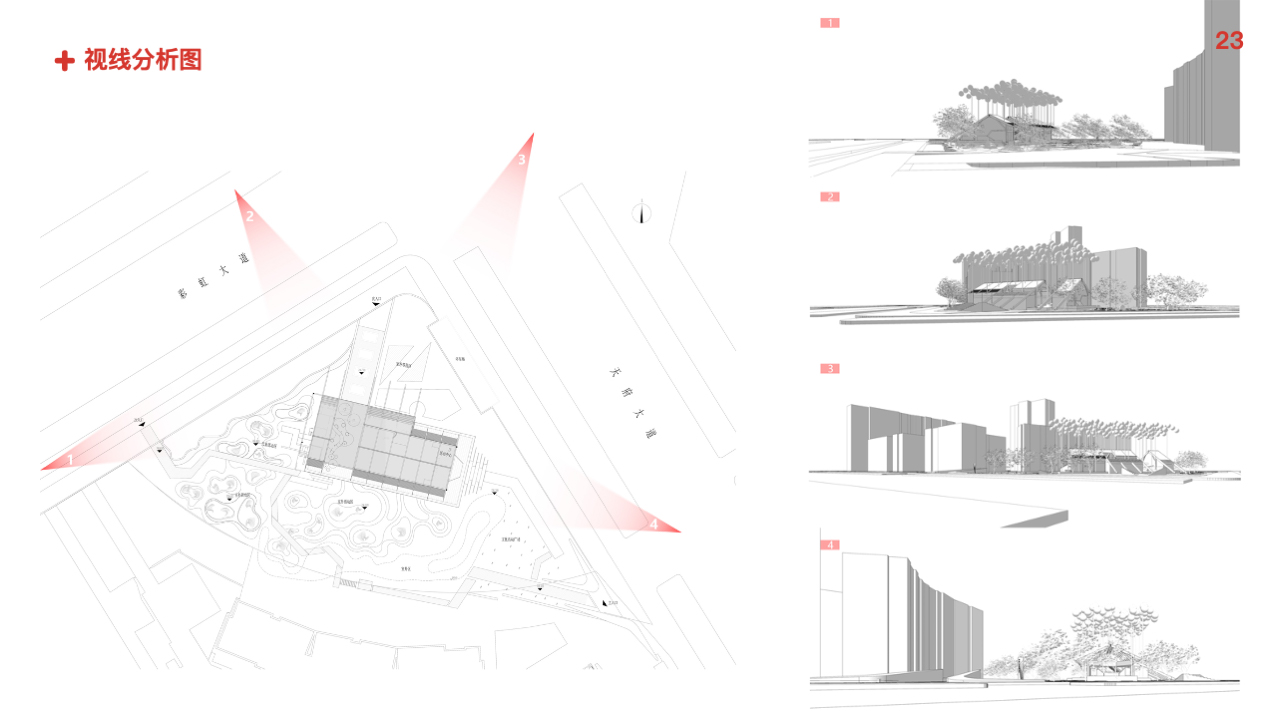
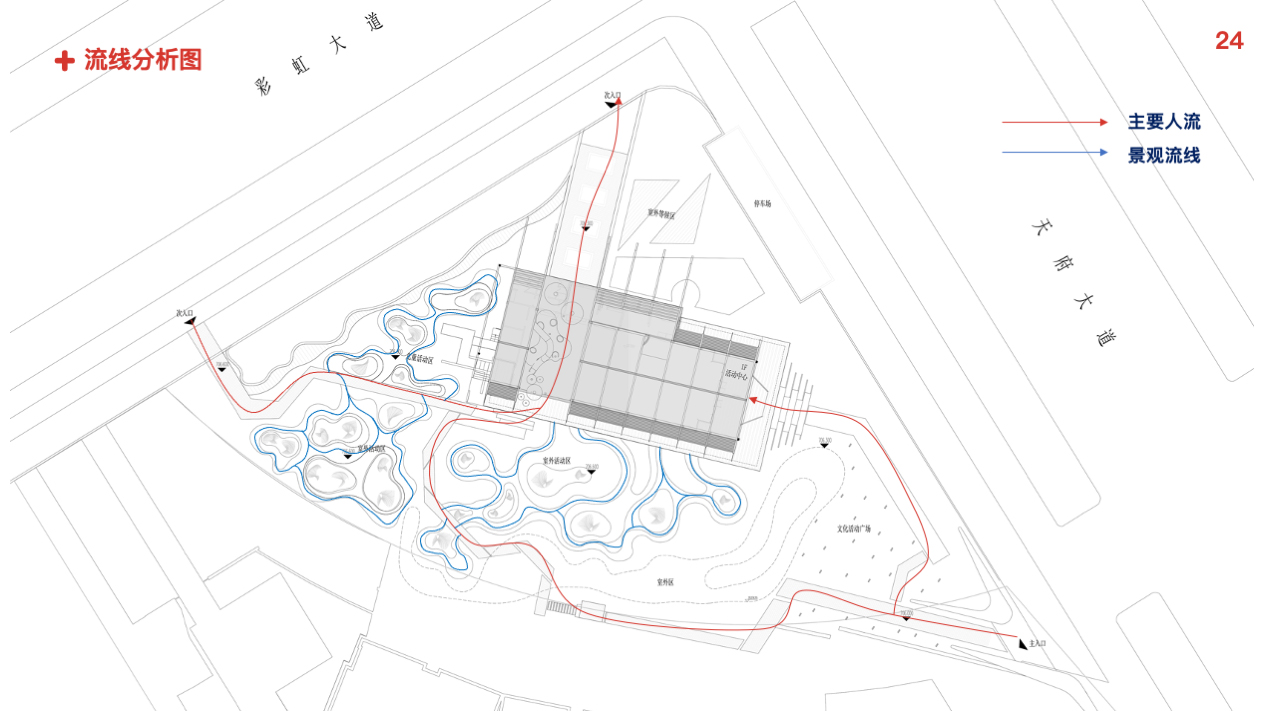
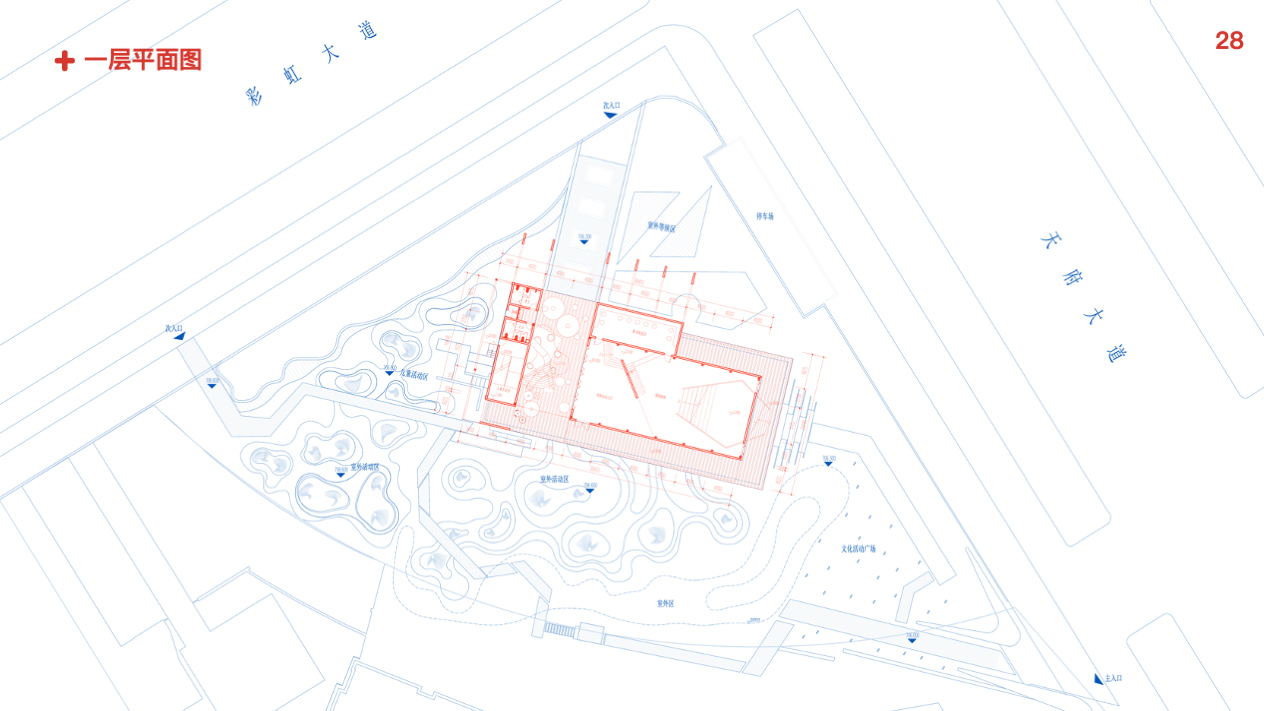
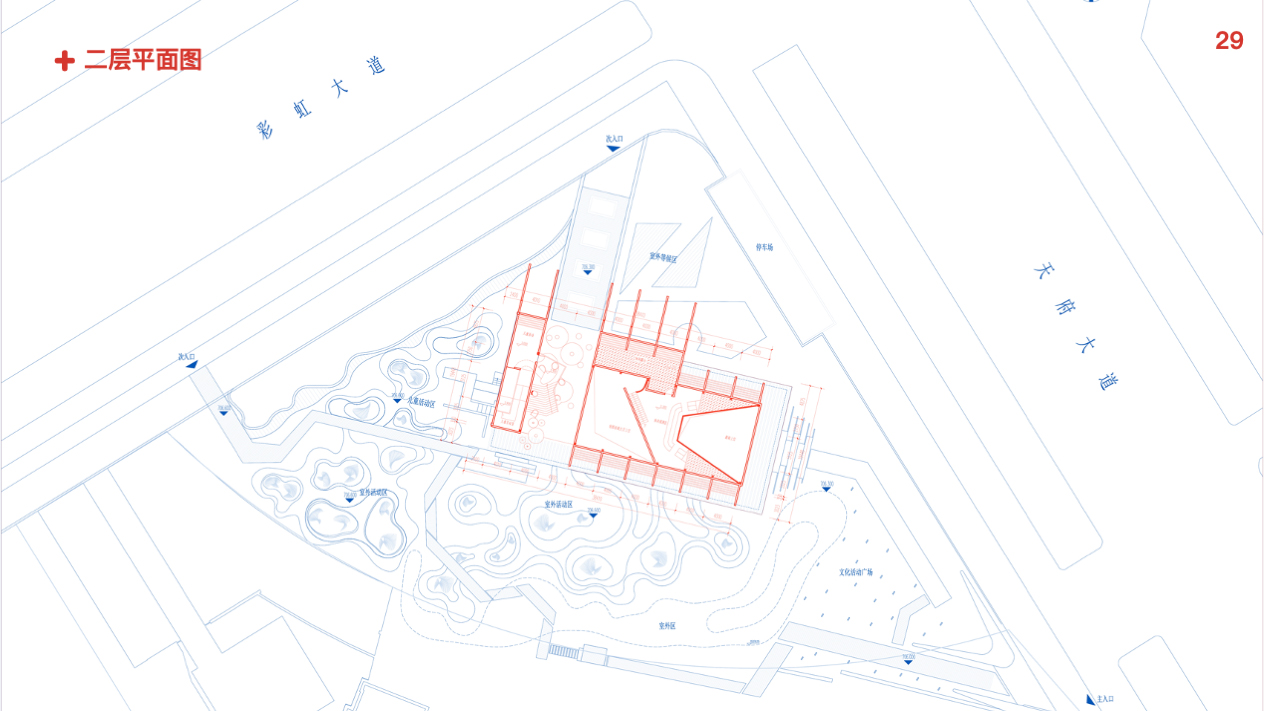
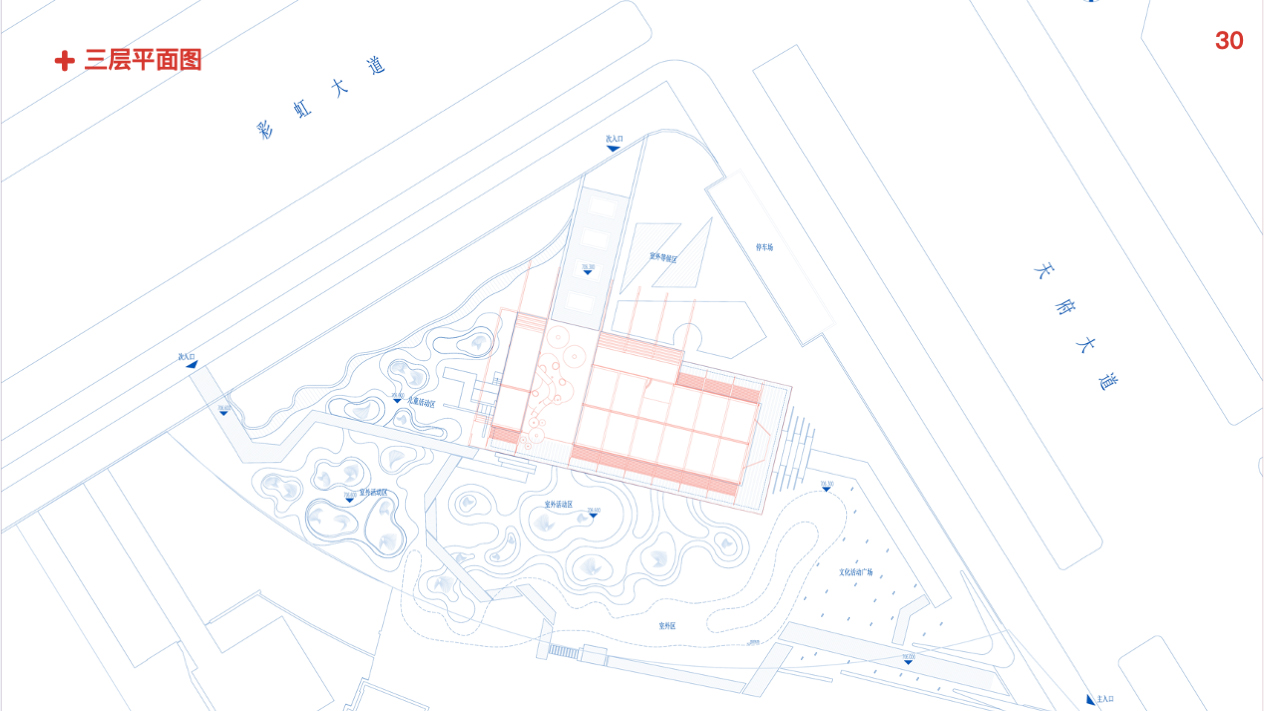
The design adopts this theme and transfers it to the site, located at the intersection of Caihong Avenue and Tianfu Avenue, a densely populated area of converging人流. From there, a panoramic view of the cultural activity center can be glimpsed along the main roads. Leveraging its superior location and open functional attributes, the center not only carries the urban cultural identity of Dujiangyan but also connects civic activities with the urban fabric. Particularly at the level of cultural life, the significance of this center is paramount. The cultural activity center aims to break this inherent architectural model, fostering communication between people and the city, thereby connecting with every citizen of the city, opening up infinite possibilities for the future. The desire for diversion is evident in both design and layout. The entire design is guided by a dominant flow, a concept that analogizes the flow of people to the flow of water, permeating the entire project design.


- Release:
- 2022
- Task:
- Architectural Design
- Designer:
- Tang Yifei / togihi
Award-winning Work: Dujiangyan City Architecture and Surrounding Site Project Design Proposal
Type | Architectural Design | Award-winning Work
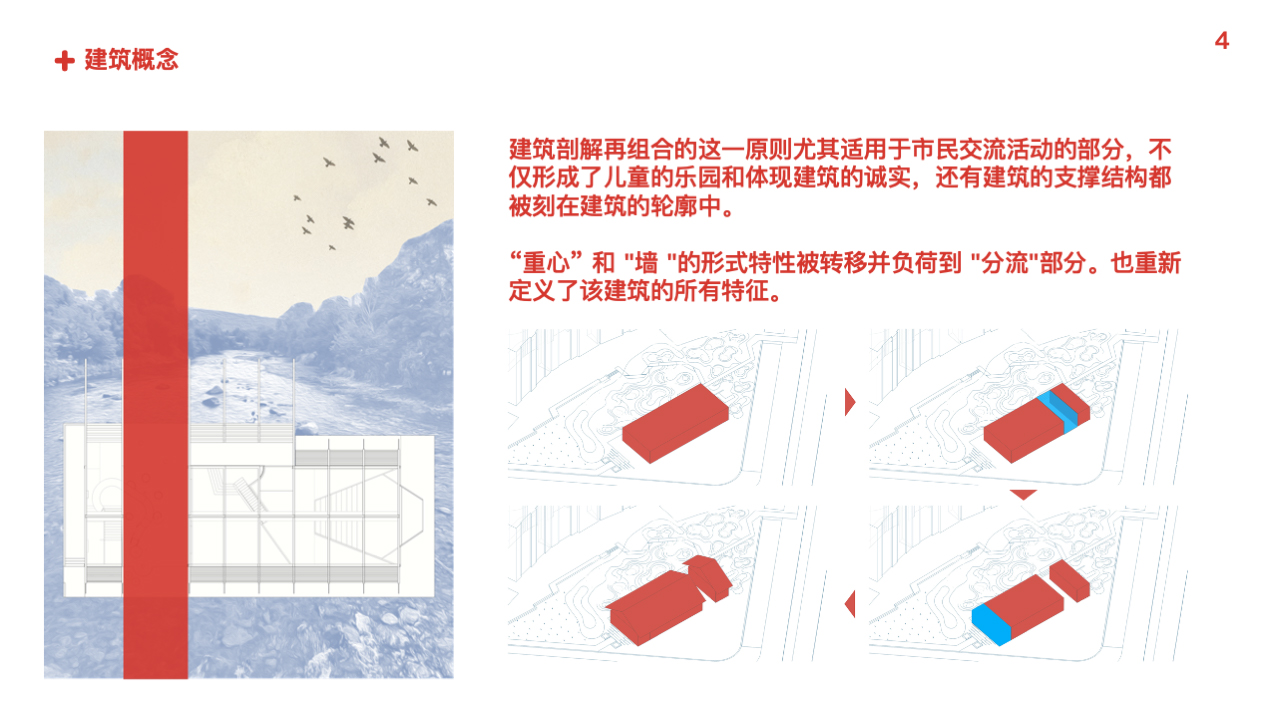
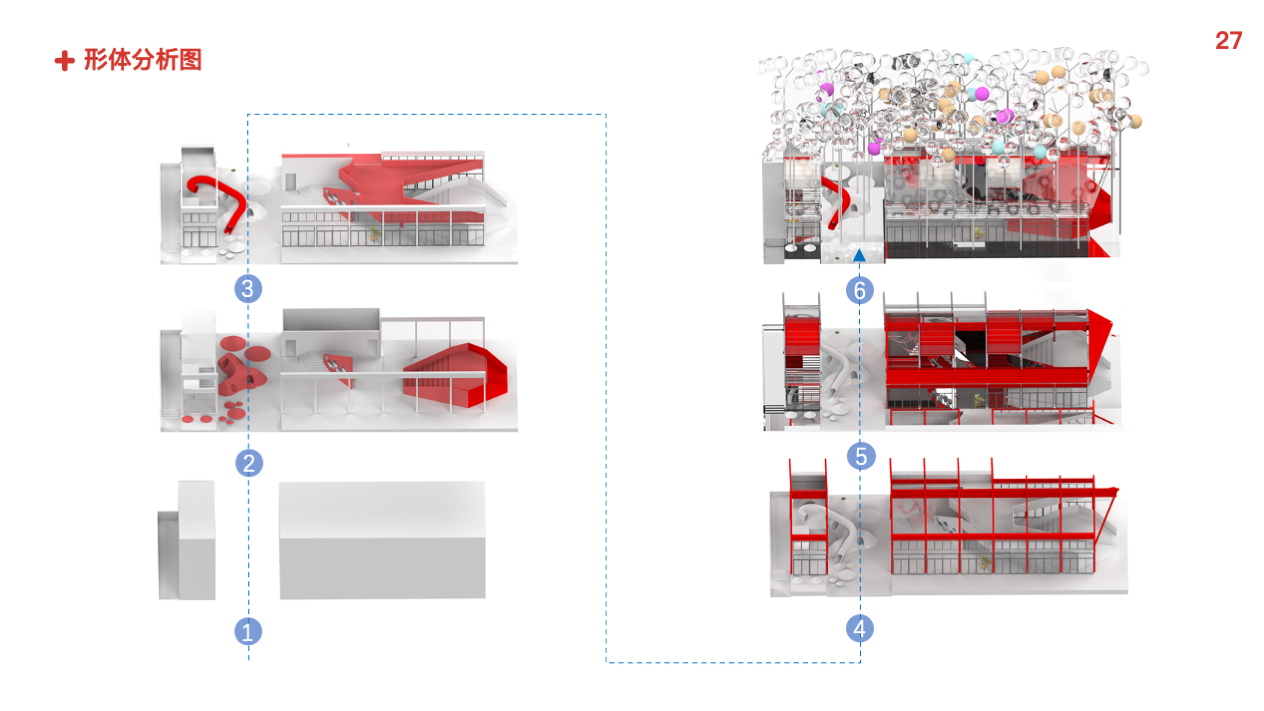
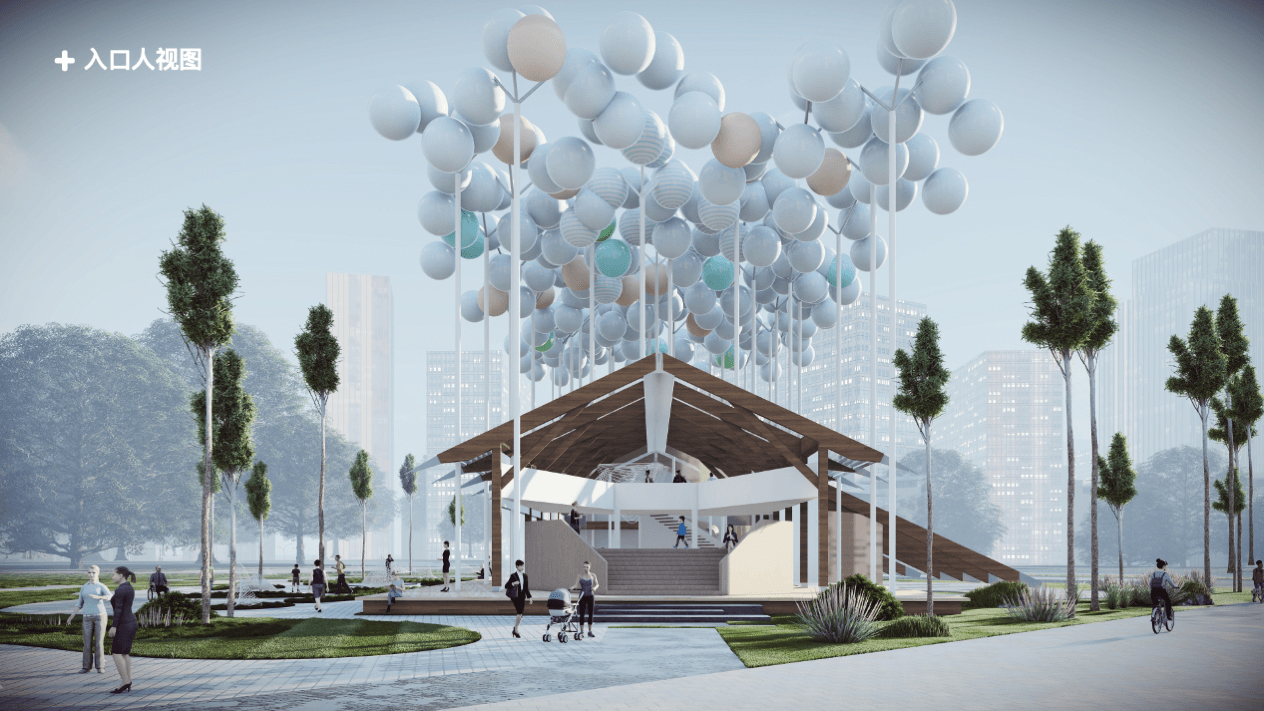
In terms of architectural design, the primary approach is to preserve the structure and area of the original building as much as possible. Through a series of design strategies, it helps to encourage all citizens to participate more willingly. Therefore, by decomposing and then recomposing the original structure, we allow participating citizens to gain a better understanding of the hierarchical structure of the internal spaces hidden behind the facade, thereby eliminating any fear of the unknown that might arise before participating in activities.
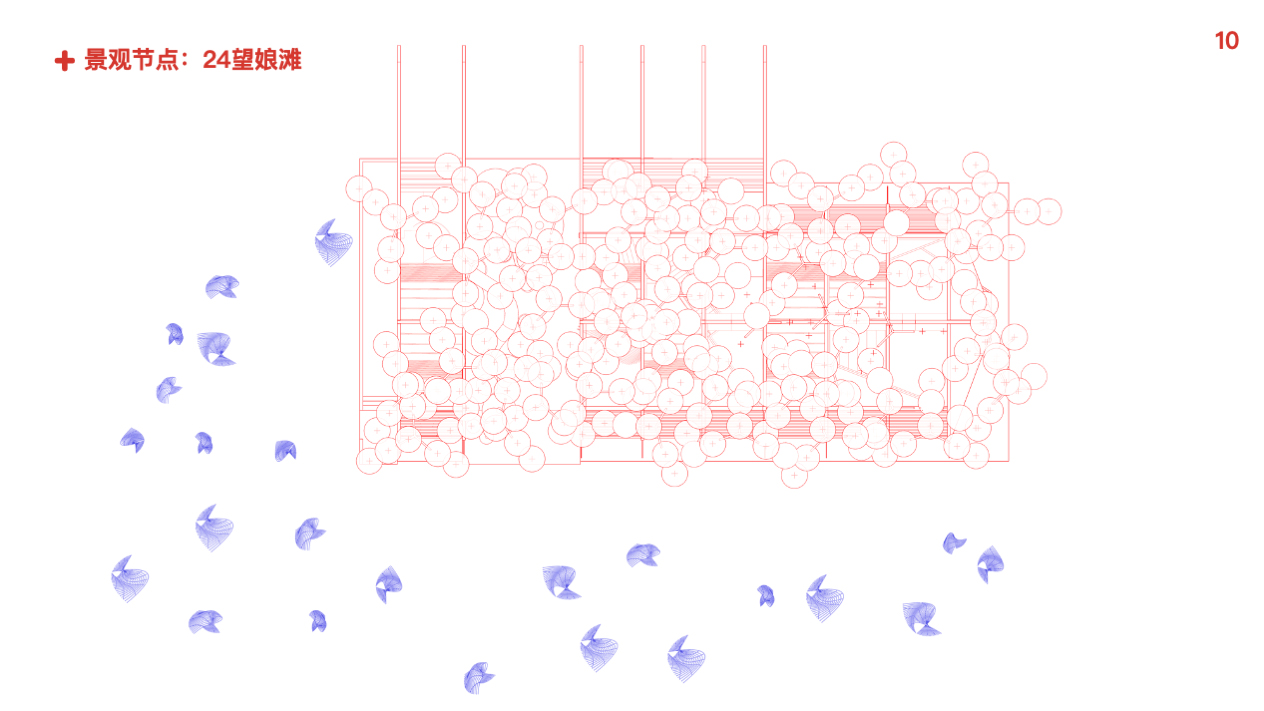
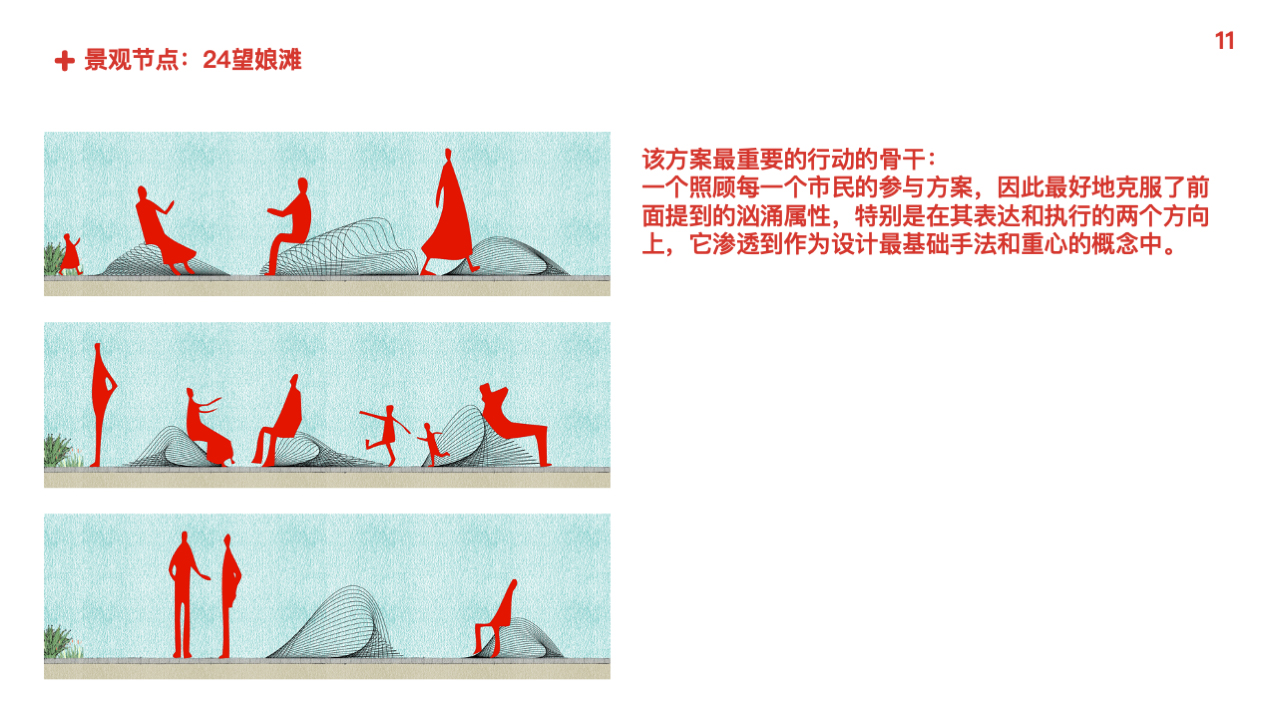
Solutions in materials and form are directly related to operational solutions. Although much of the "diversion" serves a grander narrative purpose, the method of existence as the design foundation is placed at the "center of gravity." Other design concepts, such as gathering, dispersing, flowing, and merging, are all realized under its guidance.
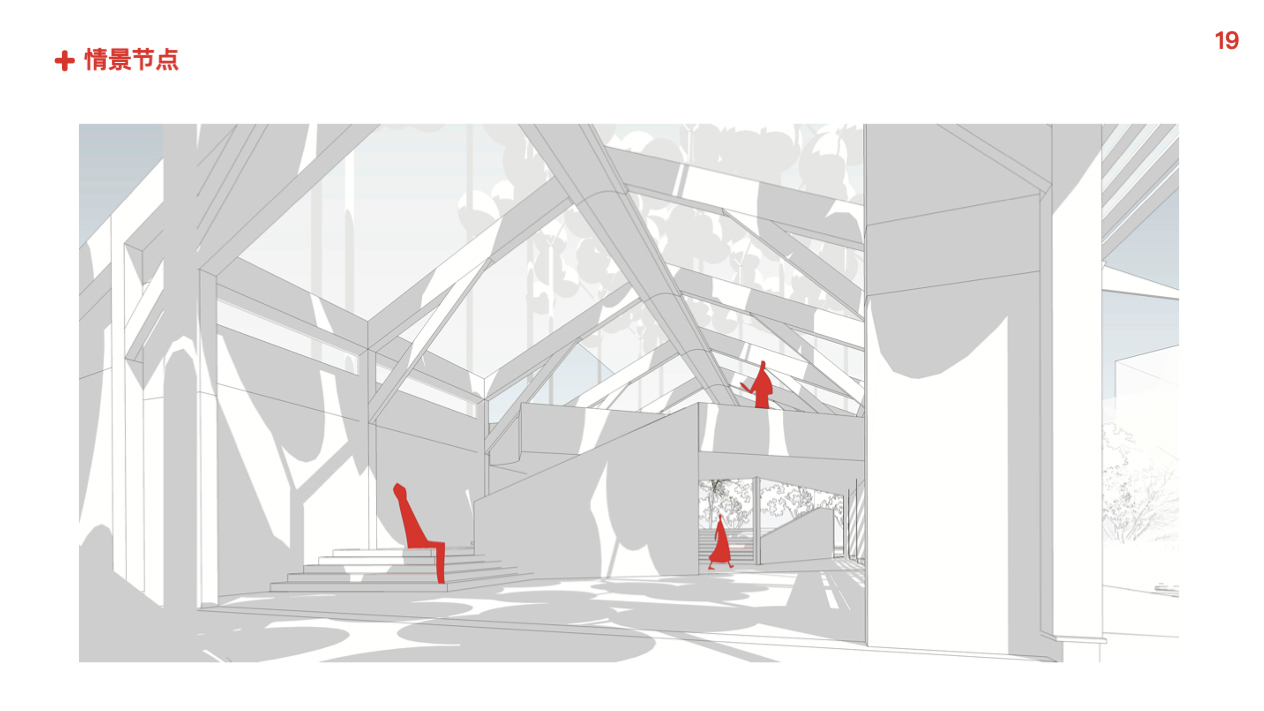
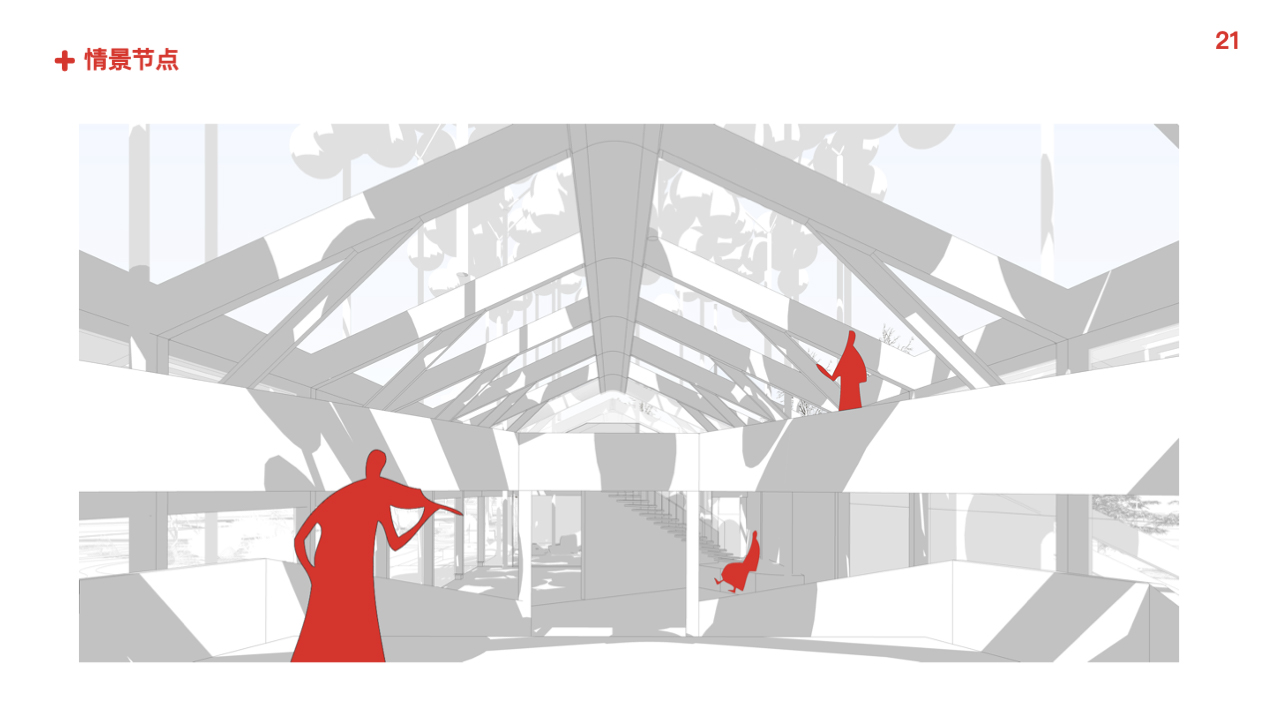
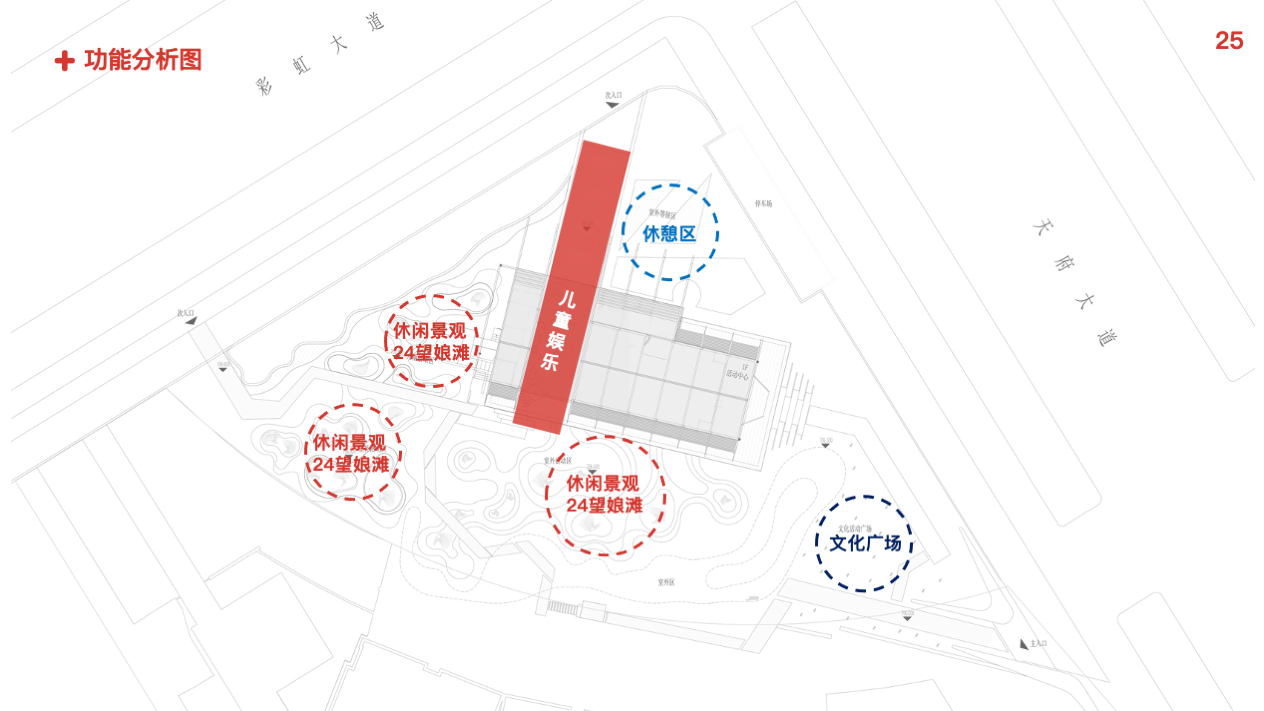
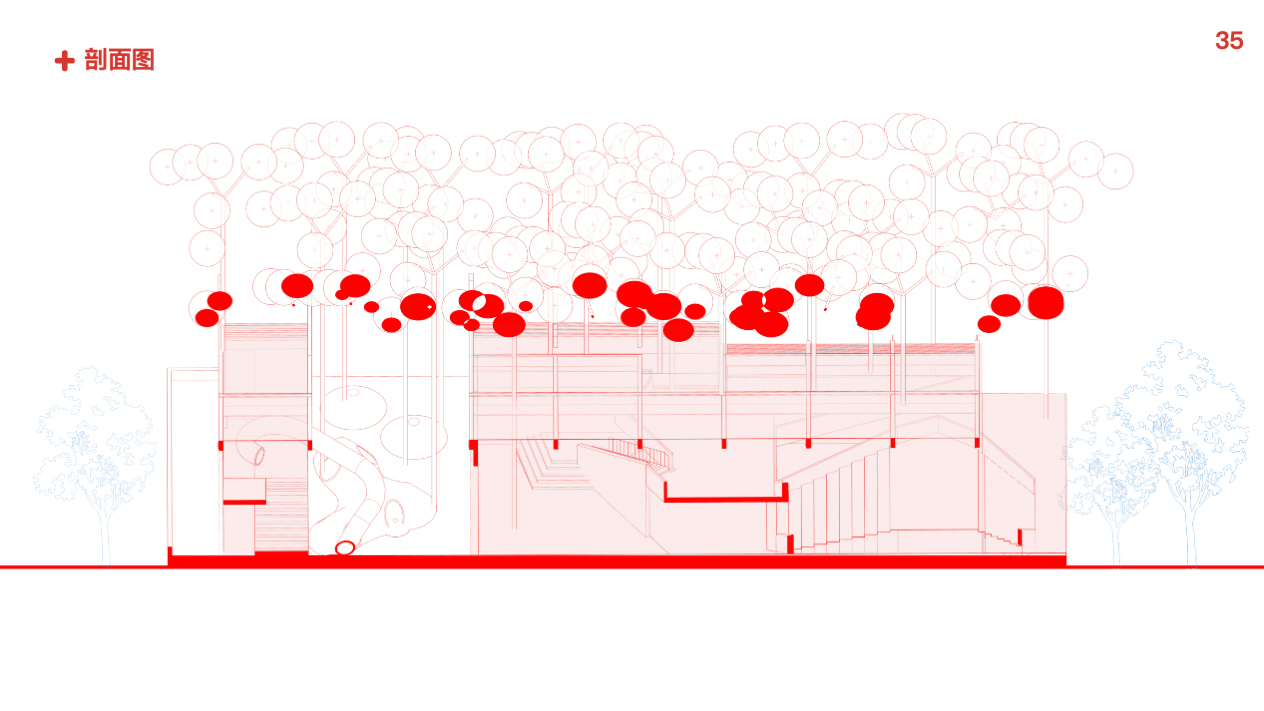
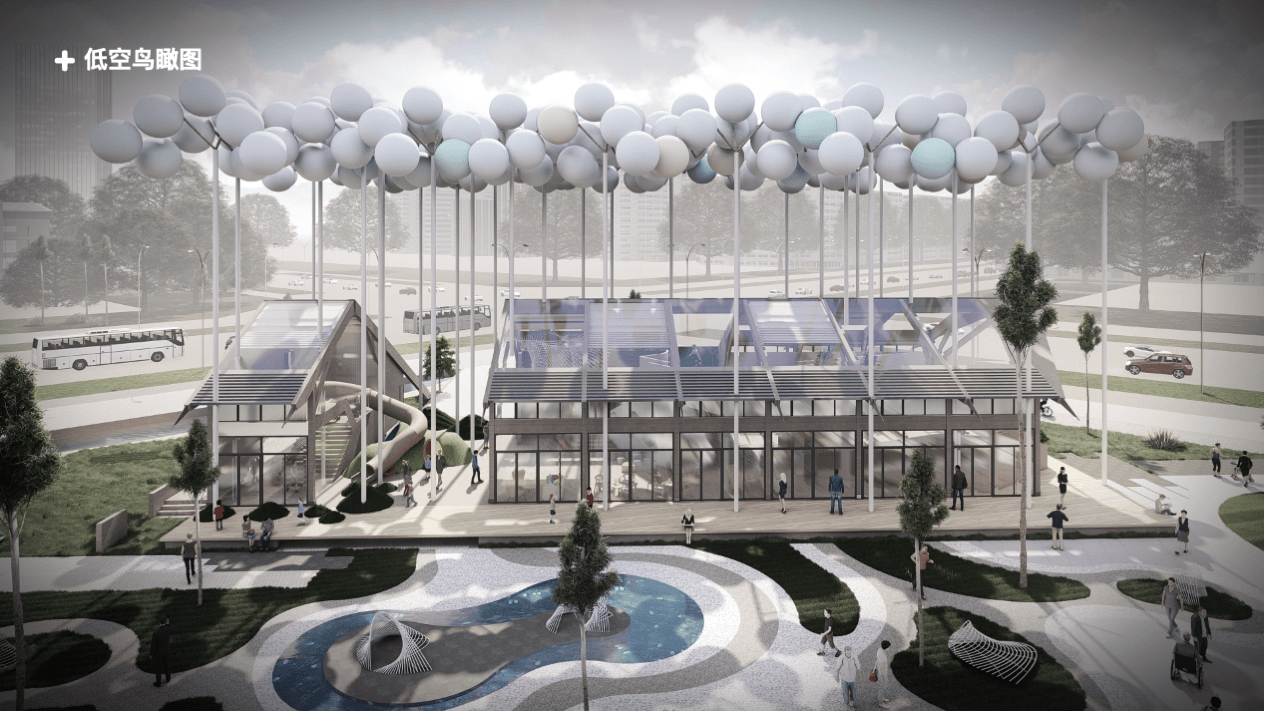
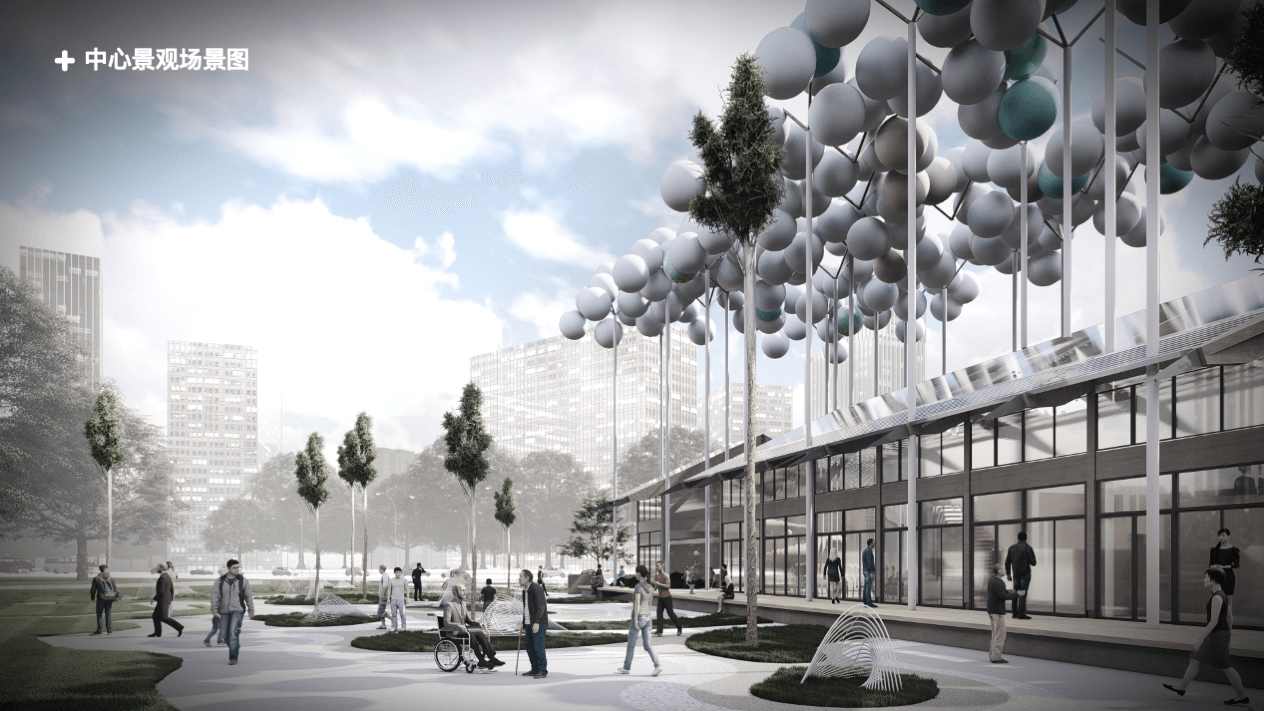
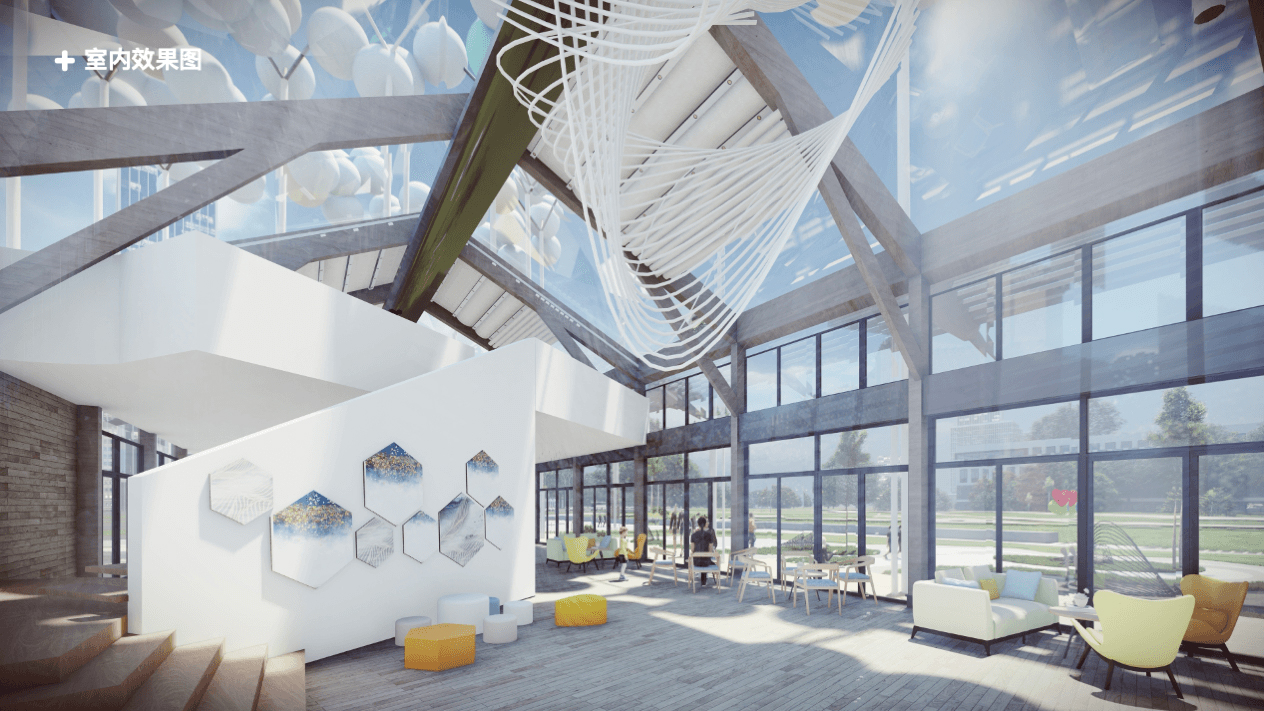
The newly added children's activity area is placed within the cut-away part of the building, narrowing the qualitative gap between "activity" and "place," thus creating a more pleasant atmosphere for the building. The activity center aims to invite urban residents to participate multi-dimensionally. However, for the center to gain trust, there must be a fear-free and trust-filled relationship between citizens and the building—the activity center must be open and cannot deceive. The spatial hierarchy must surface, not be hidden behind opaque exterior walls.
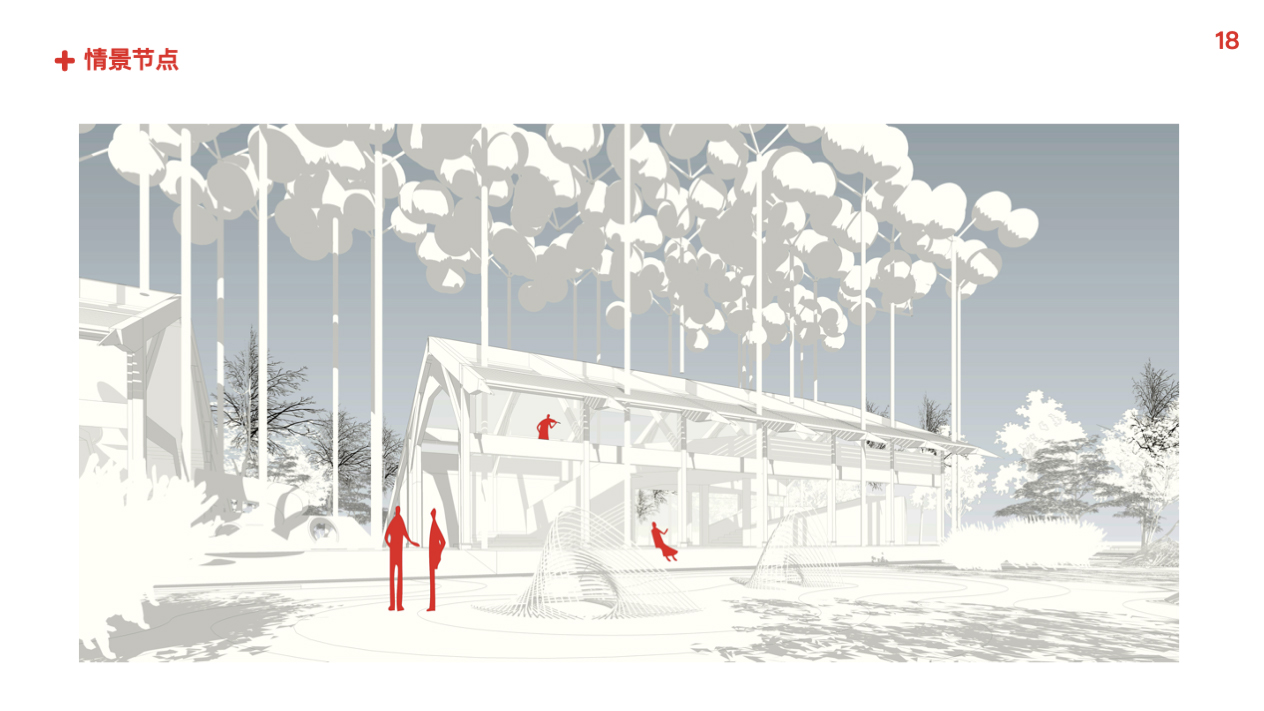
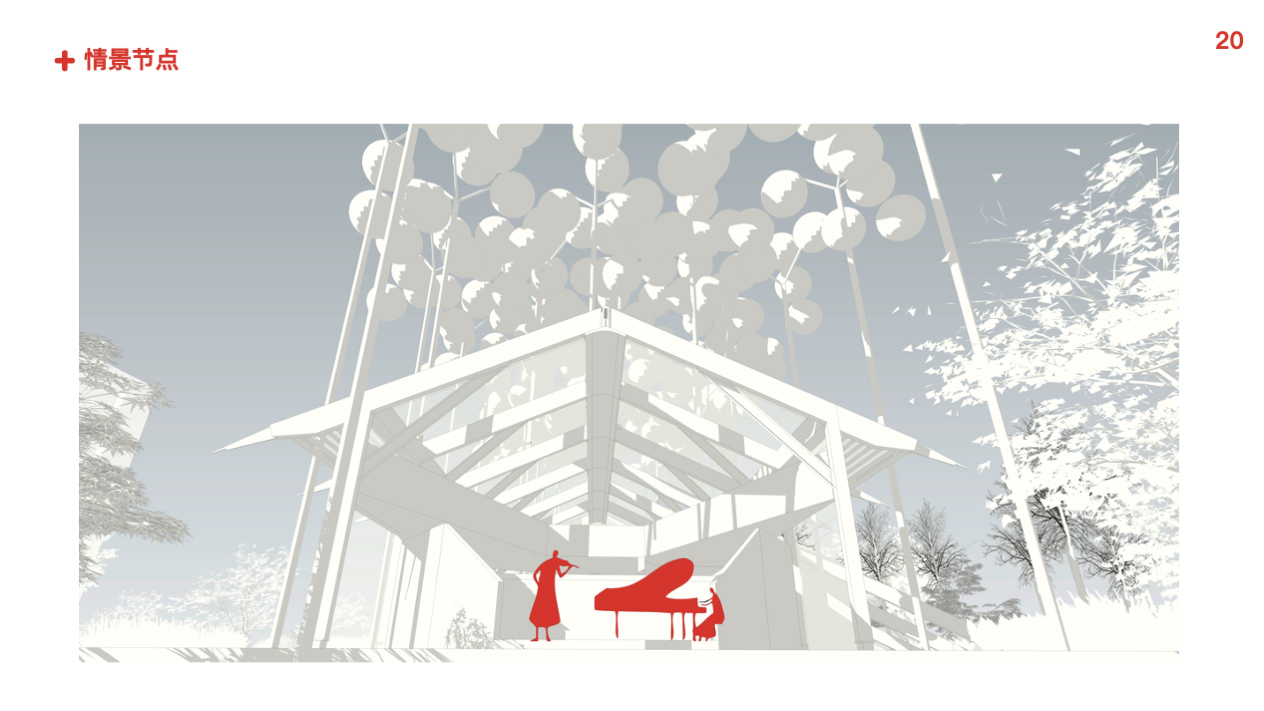
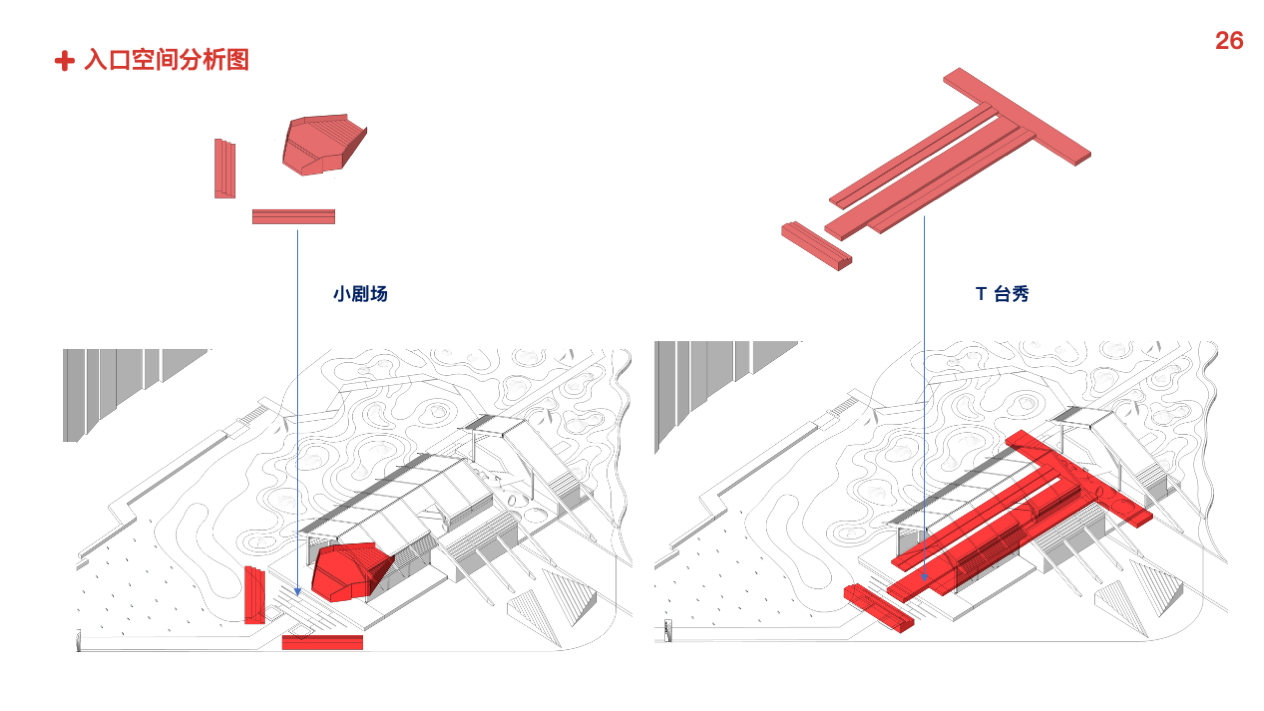
The cut-away parts are reorganized and supplemented at the side entrance of the building, where we designed an open small auditorium.
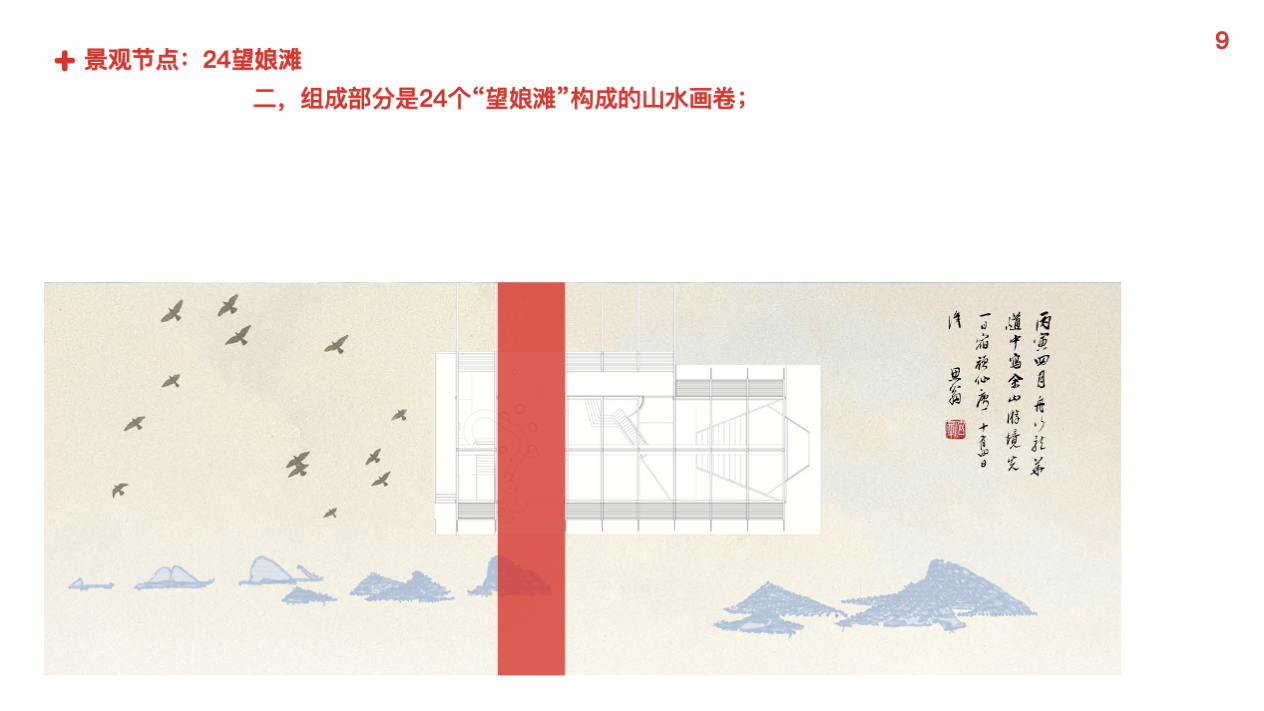
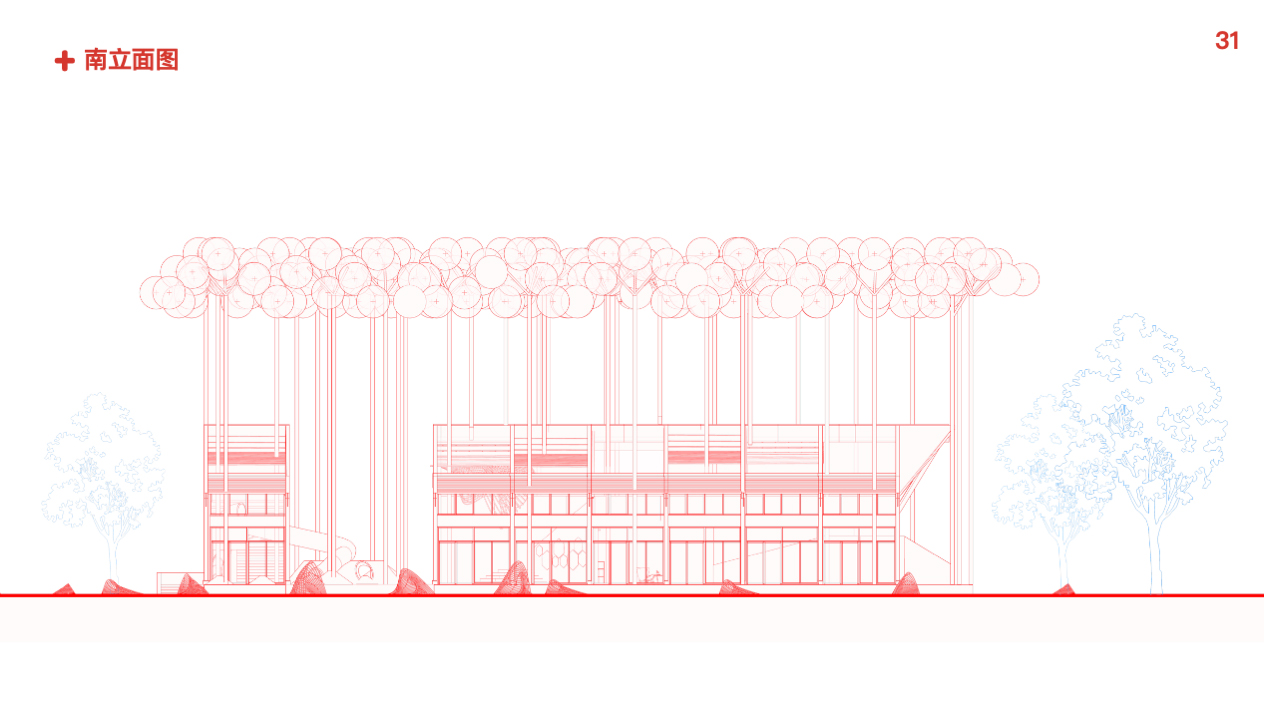
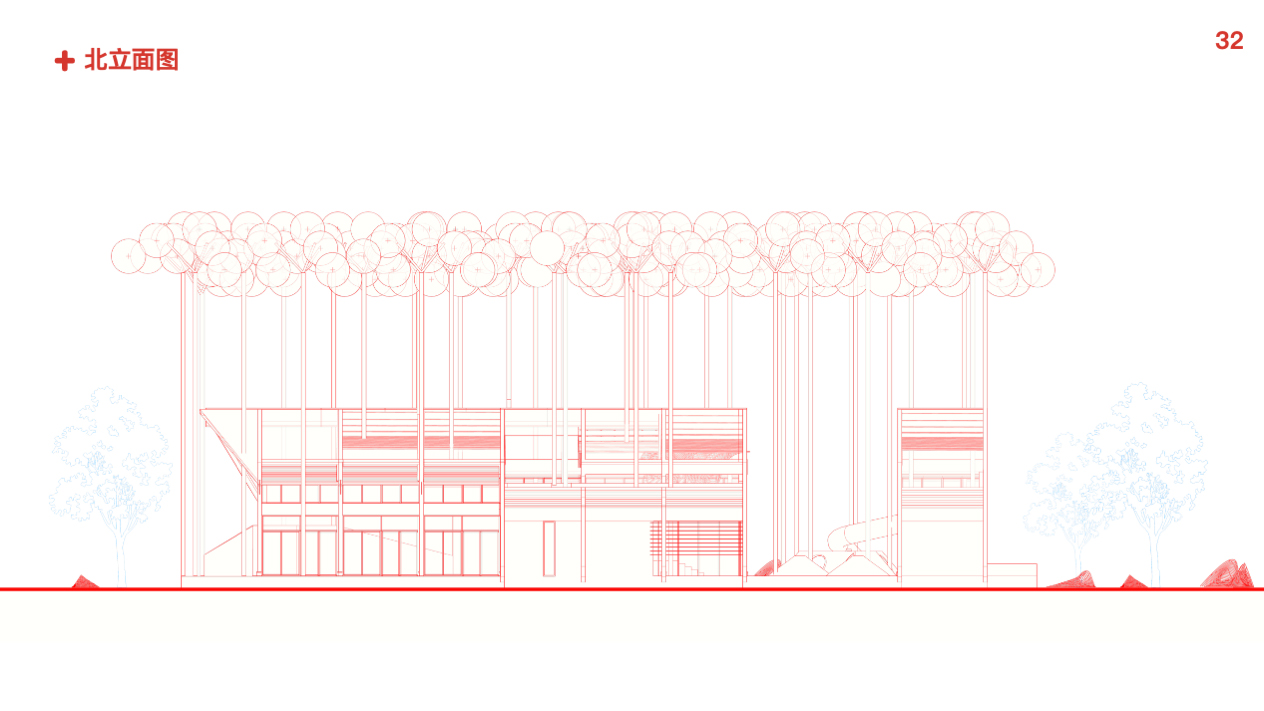
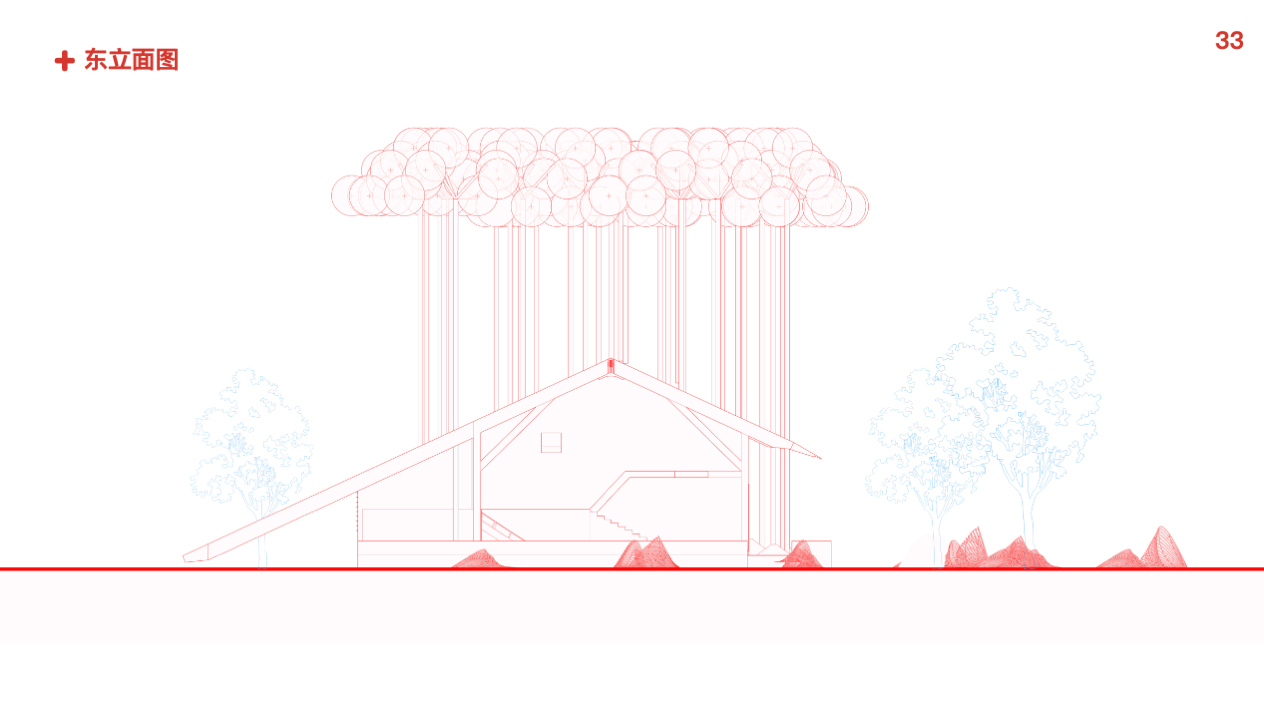
This principle of architectural dissection and recomposition applies particularly to the areas for civic exchange activities, not only creating a children's paradise and reflecting the building's honesty but also allowing the building's support structures to be etched into its contour. The formal characteristics of "center of gravity" and "wall" are transferred and loaded onto the "diversion" parts, redefining all the building's features. Consequently, the exterior walls are governed by the rhythm of activities and pedestrian flow. Although both elements are full of movement, the aim is to emphasize the weight of architectural quality. The design approach in this area also establishes balance among all parts of the cultural activity center in the overall design.
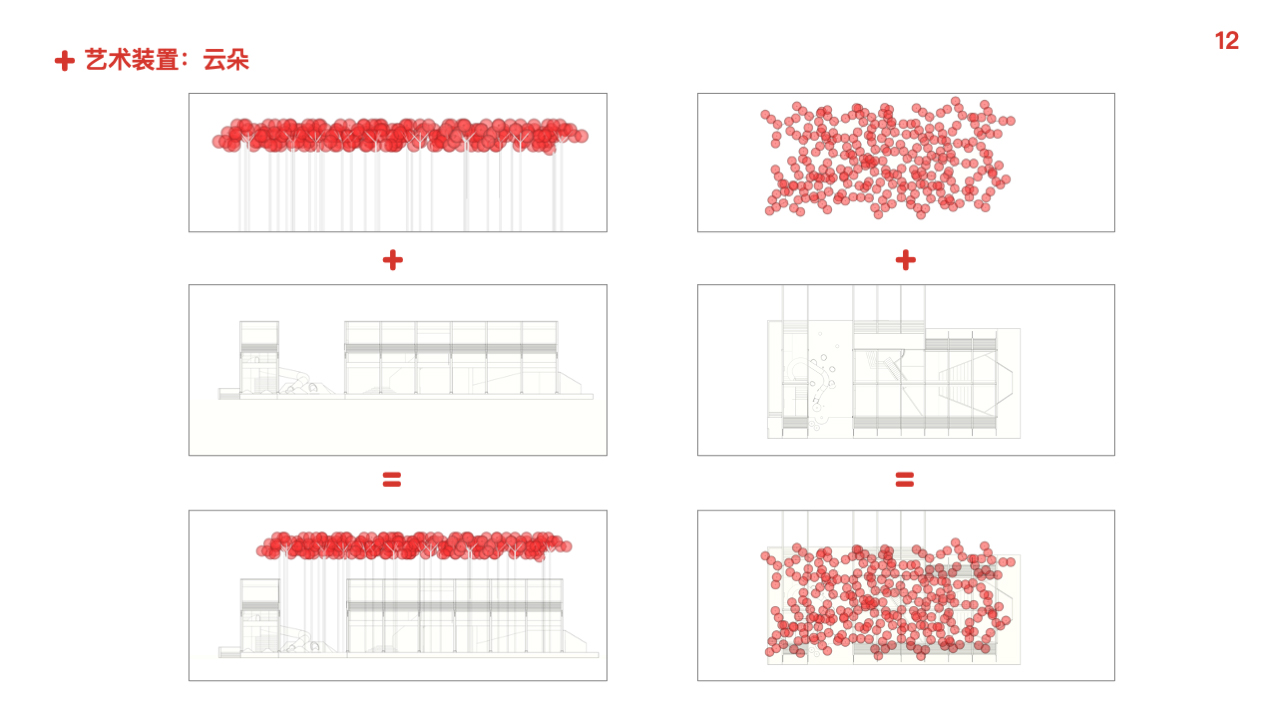
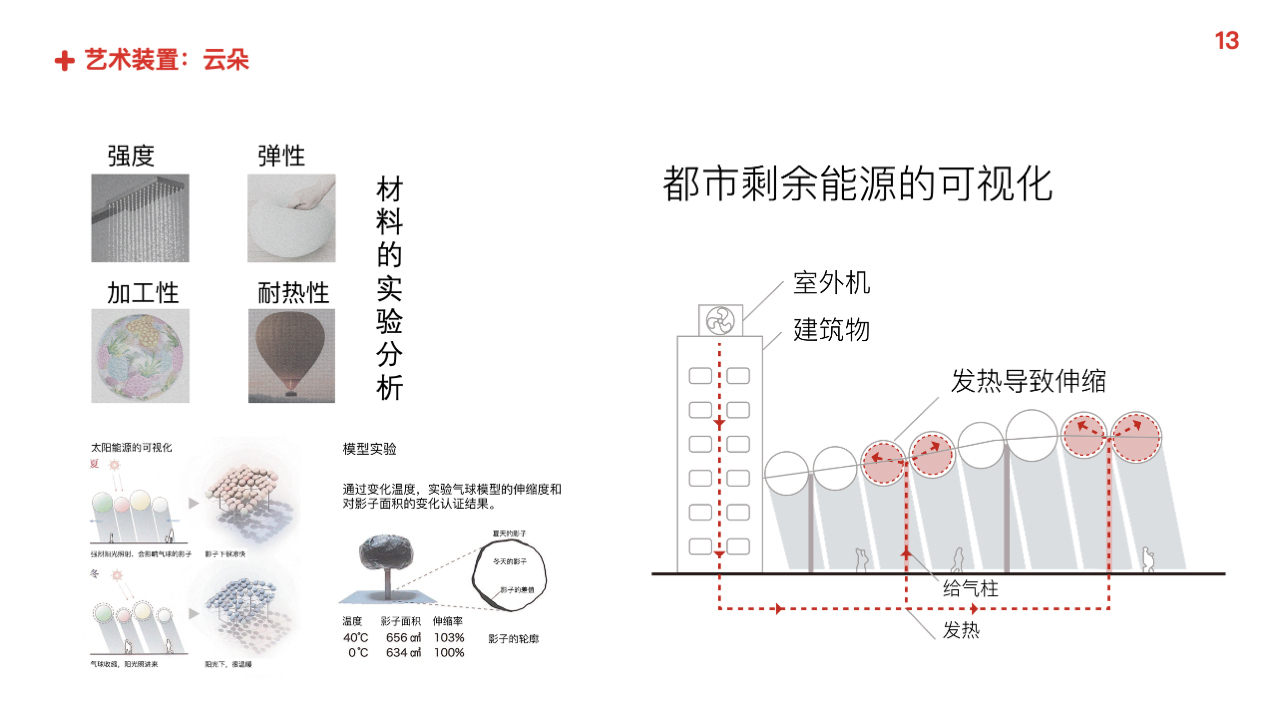
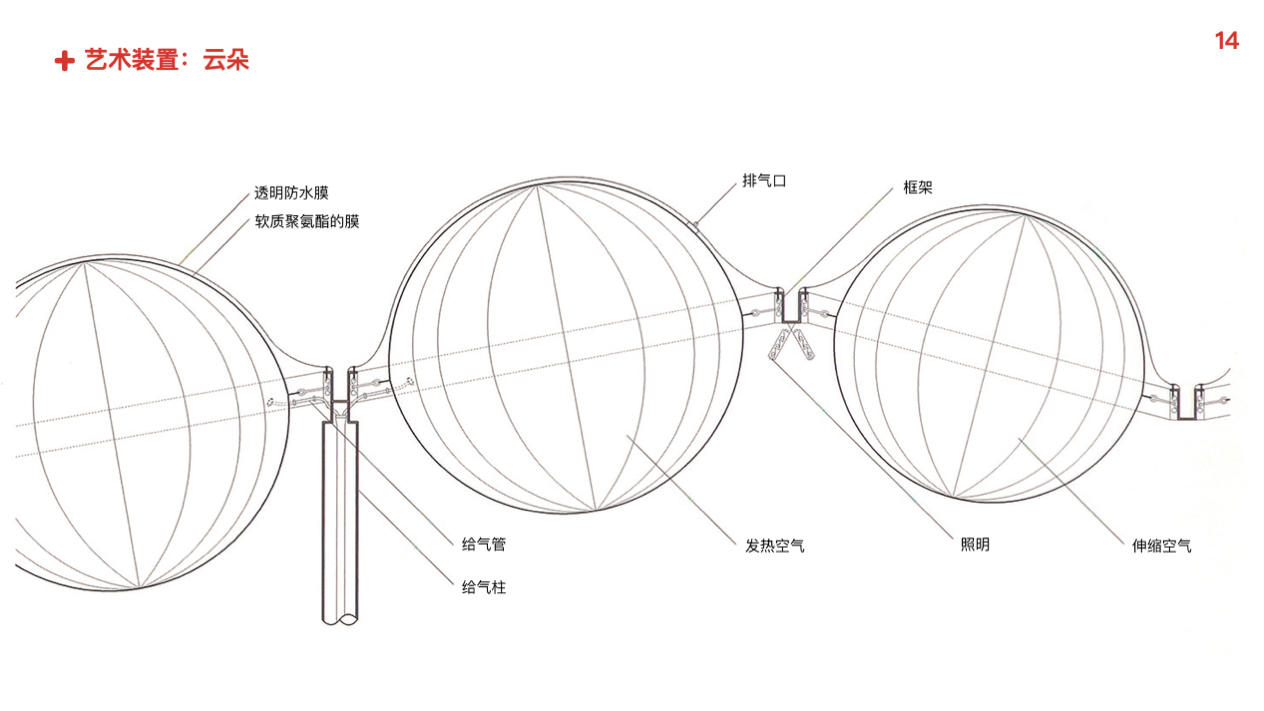
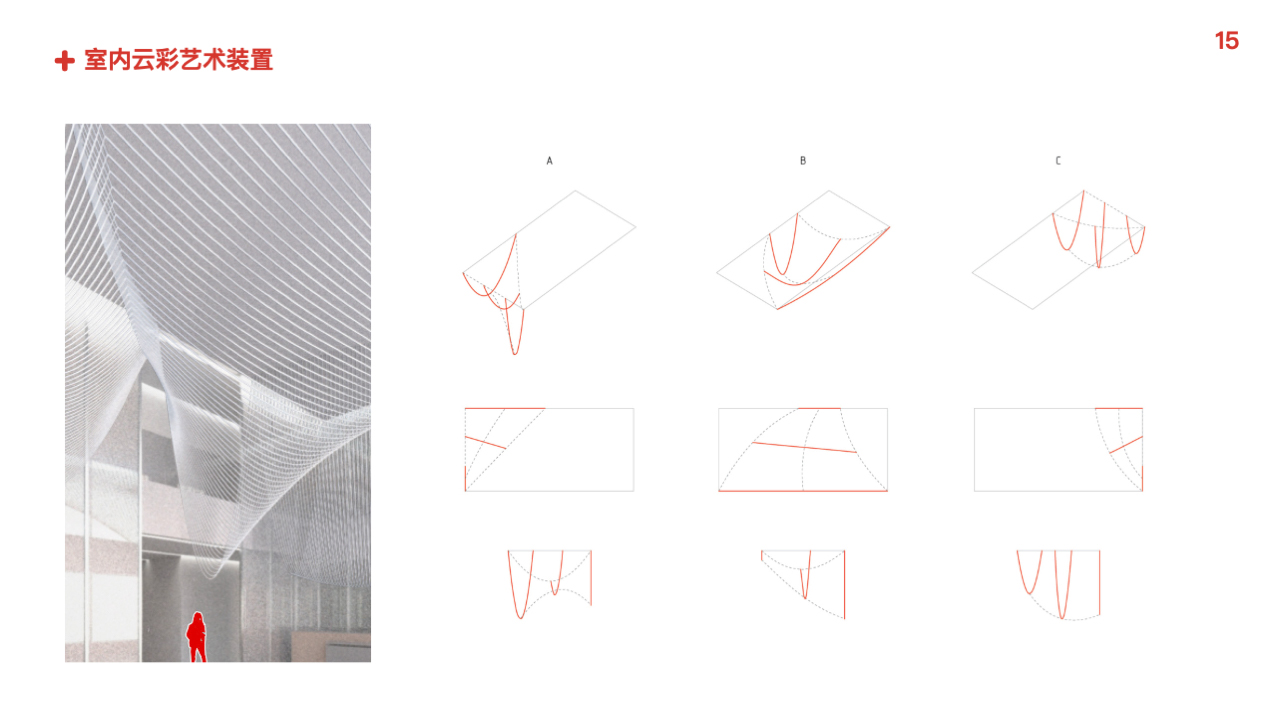
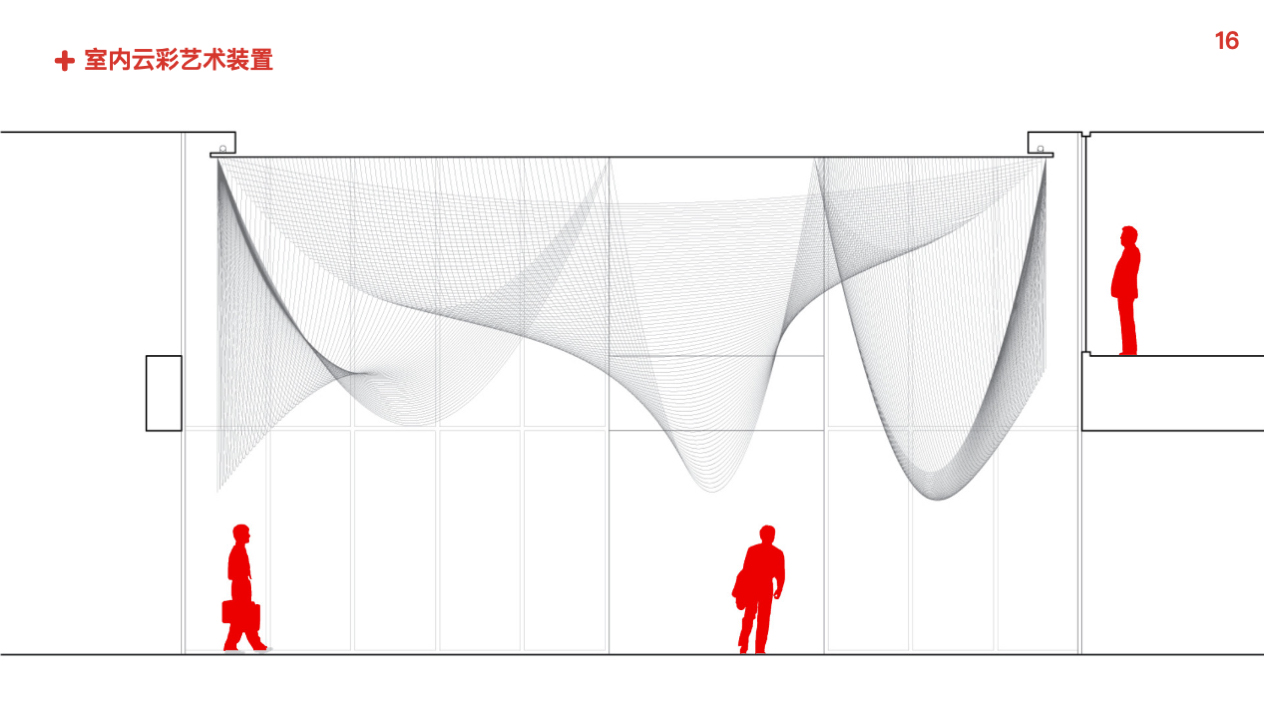
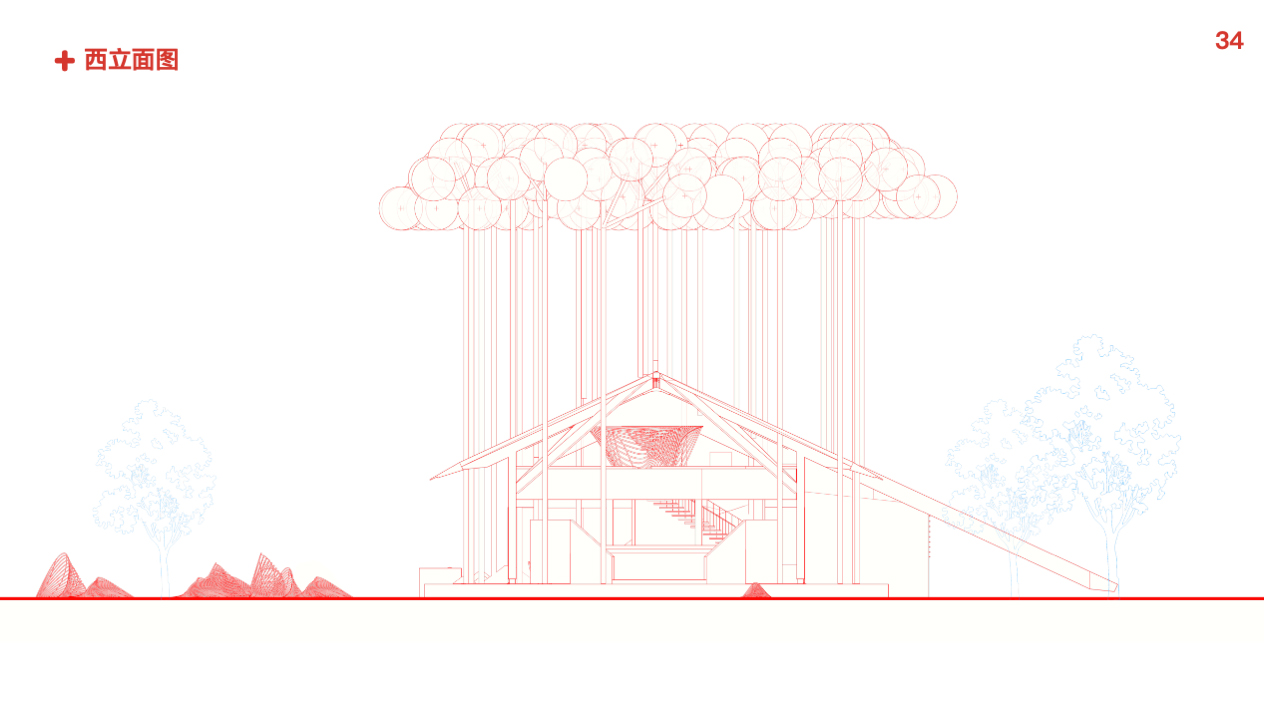
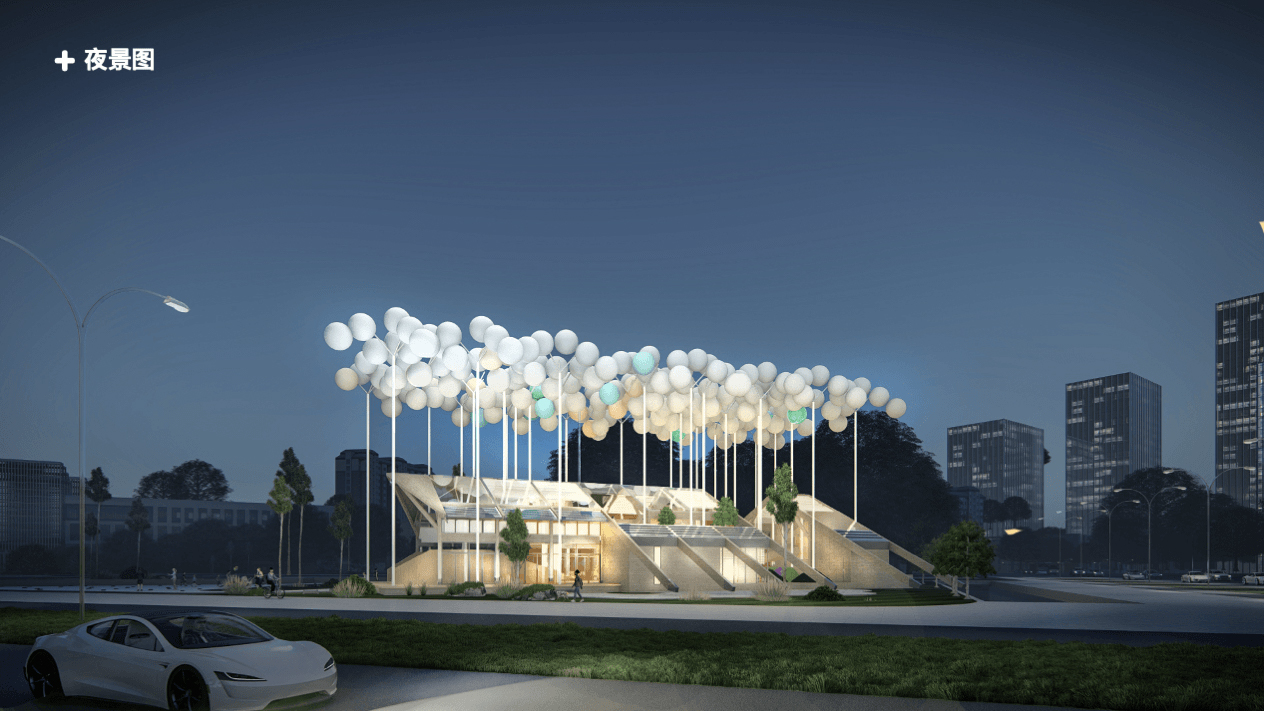
The "cloud" design at the top of the building considers, on one hand, the ecological aspects of the roof; on the other hand, it aims to make the entire architectural space more transparent and honest through this design technique, while also allowing light and shadow to participate in citizens' activities. Thus, a harmonious scene of architecture, people, and nature is formed.
—— Reshaping Design RIDS