"Short Knife Entanglement · Winter Pavilion Chronicle" Exhibition Series
Short knife entanglement, weary at this moment.
Winter pavilion, be leisurely and carefree now.
"Short Knife Entanglement · Winter Pavilion Chronicle" Exhibition Series
Type | Exhibition
Young people are always right.
Philosopher Shunsuke Tsurumi once said, young people are always right. The term "young" here refers more to the energy of resistance contained within the state of youth. Herbert Marcuse of the Frankfurt School pointed out in the late 1970s that in a one-dimensional society lacking criticality and transcendence, there is no younger generation, only people aged 18 to 28. Thus, "young people" and "youth" have already been distinguished.
Some young people choose mentally to play the roles of children, middle-aged, or elderly, living a tolerable life in a tolerable society, living a tolerable existence. The physical barriers built by hedonism and capitalist forces, along with the collapse of psychological thinking, erode the originally connected spiritual veins, causing a blurred self to drift in a non-existent virtual space, ignoring the present yet seeing the faint light of an endless purgatory. If accountability is to be assigned, can it only be assigned to one party?
Chinese society's attitude towards youth is one of suppression intertwined with temptation. At fifteen, I set my heart on learning; at thirty, I stand firm. Society and youth are both waiting for a moment of achievement. But when is the moment of maturity? In the process of waiting, might we have already missed the optimal time for sowing seeds? Flowers, fruits, or leaves — what is it that we seek? In other words, bypassing leaves and flowers, can one attain fruit?
The corners of young people's eyes should be perceptual, with intuition guiding logic, accompanied by questioning and criticism of established rules and rational dogma. Their sharpness and agility do not rely on philosophy or thought; like the natural extension of vine tendrils seeking light, growth is upward. The fleeting yet vibrant thoughts and expressions may be hints or warnings from distant genes and the subconscious. Thus, regardless of young people's challenges in ideology or universal values, they contain the texture of deconstruction and reconstruction, churning the driving force for social creation and transformation.
Marx mentioned three major social forms in the development of human society: dependence on people, dependence on things, and the independent and comprehensive development of individuals. Young people have not yet been incorporated into or self-defined stable social roles. They naturally possess the romantic quality of freedom and relaxation, having the desire and strength to explore, thus approaching the third stage. From the perspective of intergenerational theory in transcendental philosophy, young people, besides absorbing enlightenment in generational succession, also bear the responsibility of enlightening others. All their actions are aimed at advancing human history and its processes.
Currently, the second and third stages are interpenetrating each other. It seems we can already smell the relief brought by the third stage, but what we see and feel is still bound by the material world. We are trapped in a cycle of escaping, detaching, and then falling back in. Perhaps in this process of experimentation and experience, there may be unforeseen consequences or loss of control, or perhaps it is just self-muttering, barely stirring any waves. But as the contemporary German sociologist Niklas Luhmann believed, "There is no meaningless experience." A butterfly flapping its wings may also summon a tornado.
—— Reshaping Design RIDS
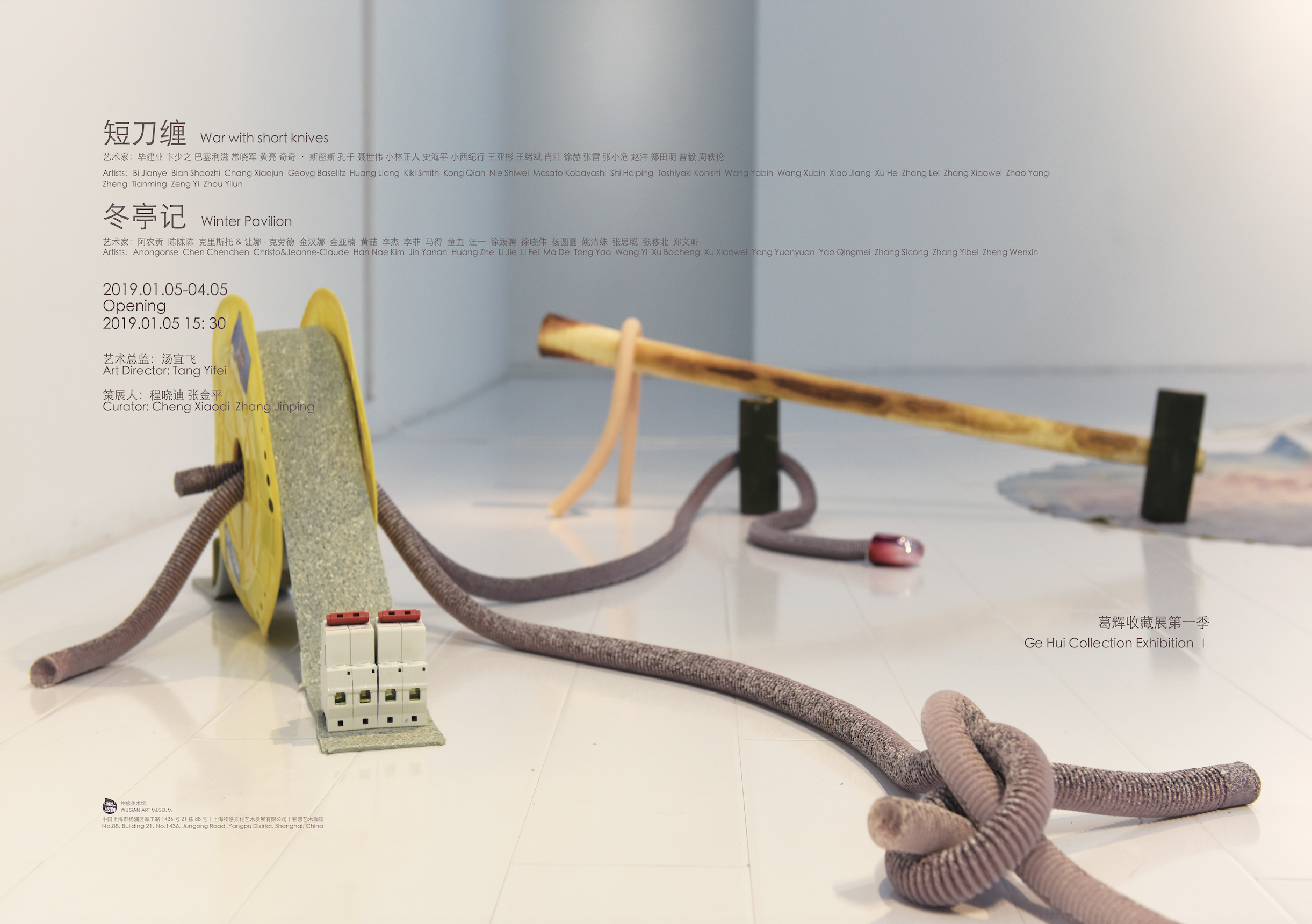
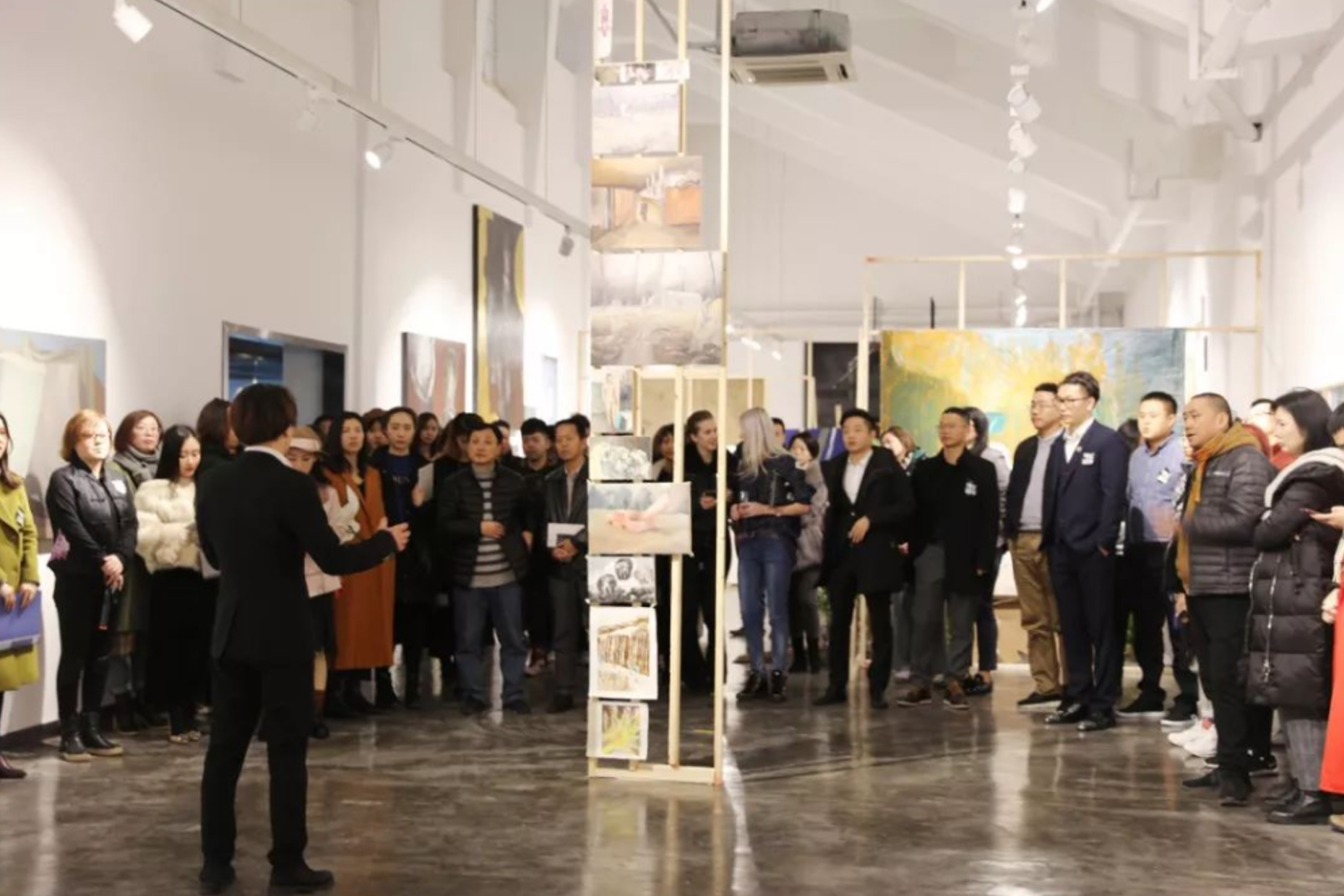
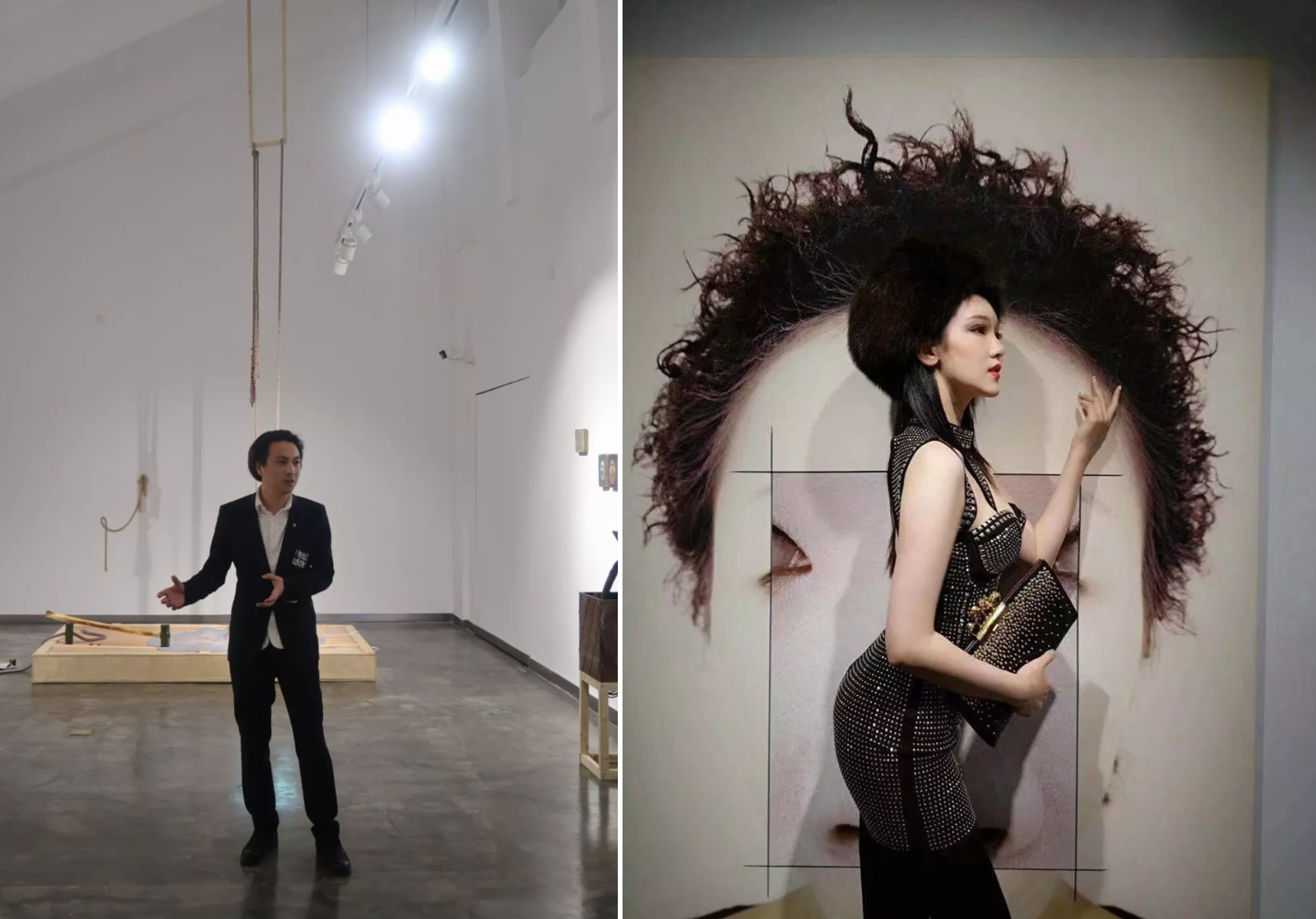
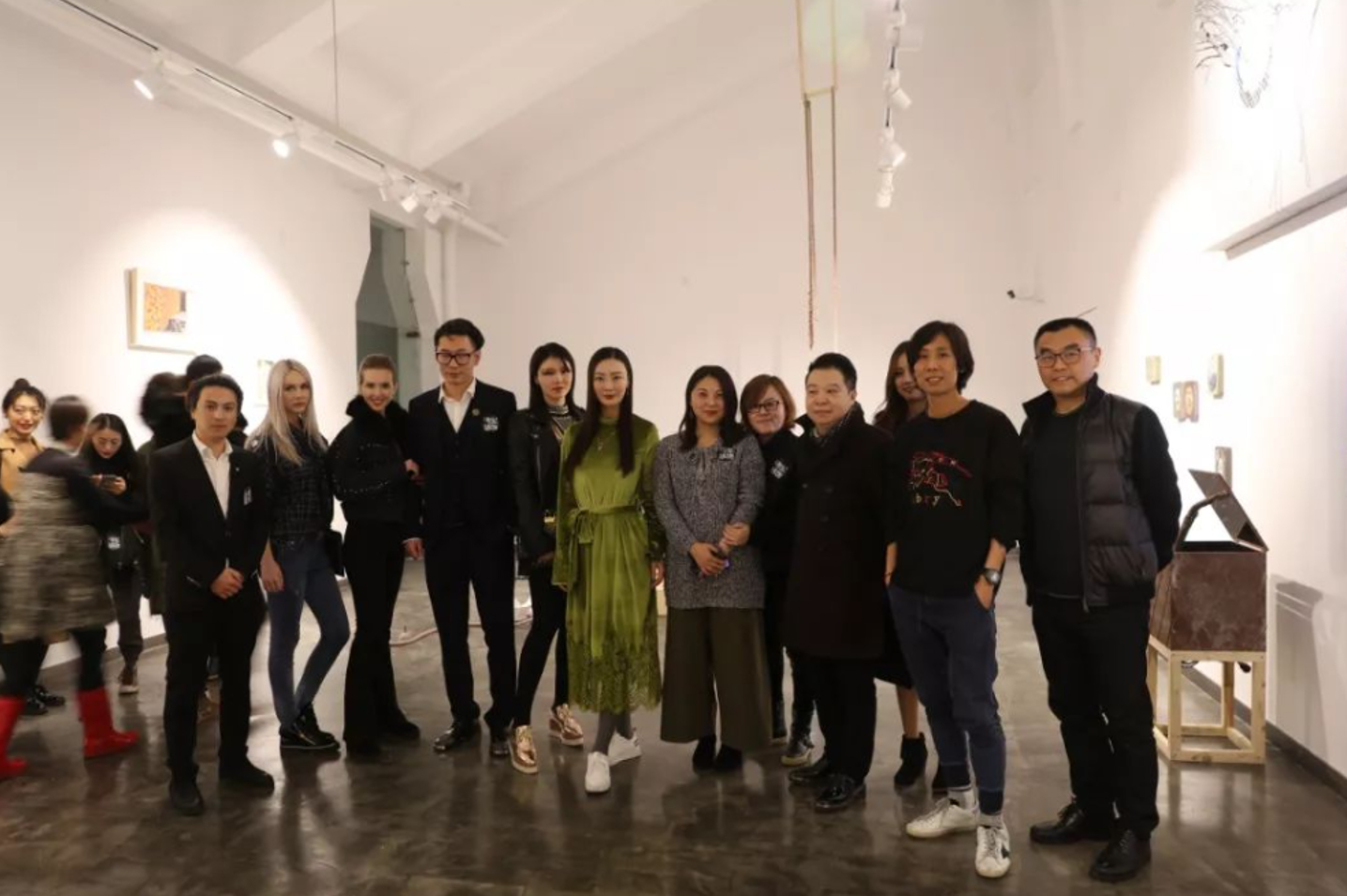
"Short Knife Entanglement · Winter Pavilion Chronicle" Exhibition Series
Type | Exhibition
Young people are always right.
Philosopher Shunsuke Tsurumi once said, young people are always right. The term "young" here refers more to the energy of resistance contained within the state of youth. Herbert Marcuse of the Frankfurt School pointed out in the late 1970s that in a one-dimensional society lacking criticality and transcendence, there is no younger generation, only people aged 18 to 28. Thus, "young people" and "youth" have already been distinguished.
Some young people choose mentally to play the roles of children, middle-aged, or elderly, living a tolerable life in a tolerable society, living a tolerable existence. The physical barriers built by hedonism and capitalist forces, along with the collapse of psychological thinking, erode the originally connected spiritual veins, causing a blurred self to drift in a non-existent virtual space, ignoring the present yet seeing the faint light of an endless purgatory. If accountability is to be assigned, can it only be assigned to one party?
Chinese society's attitude towards youth is one of suppression intertwined with temptation. At fifteen, I set my heart on learning; at thirty, I stand firm. Society and youth are both waiting for a moment of achievement. But when is the moment of maturity? In the process of waiting, might we have already missed the optimal time for sowing seeds? Flowers, fruits, or leaves — what is it that we seek? In other words, bypassing leaves and flowers, can one attain fruit?
The corners of young people's eyes should be perceptual, with intuition guiding logic, accompanied by questioning and criticism of established rules and rational dogma. Their sharpness and agility do not rely on philosophy or thought; like the natural extension of vine tendrils seeking light, growth is upward. The fleeting yet vibrant thoughts and expressions may be hints or warnings from distant genes and the subconscious. Thus, regardless of young people's challenges in ideology or universal values, they contain the texture of deconstruction and reconstruction, churning the driving force for social creation and transformation.
Marx mentioned three major social forms in the development of human society: dependence on people, dependence on things, and the independent and comprehensive development of individuals. Young people have not yet been incorporated into or self-defined stable social roles. They naturally possess the romantic quality of freedom and relaxation, having the desire and strength to explore, thus approaching the third stage. From the perspective of intergenerational theory in transcendental philosophy, young people, besides absorbing enlightenment in generational succession, also bear the responsibility of enlightening others. All their actions are aimed at advancing human history and its processes.
Currently, the second and third stages are interpenetrating each other. It seems we can already smell the relief brought by the third stage, but what we see and feel is still bound by the material world. We are trapped in a cycle of escaping, detaching, and then falling back in. Perhaps in this process of experimentation and experience, there may be unforeseen consequences or loss of control, or perhaps it is just self-muttering, barely stirring any waves. But as the contemporary German sociologist Niklas Luhmann believed, "There is no meaningless experience." A butterfly flapping its wings may also summon a tornado.
—— Reshaping Design RIDS