
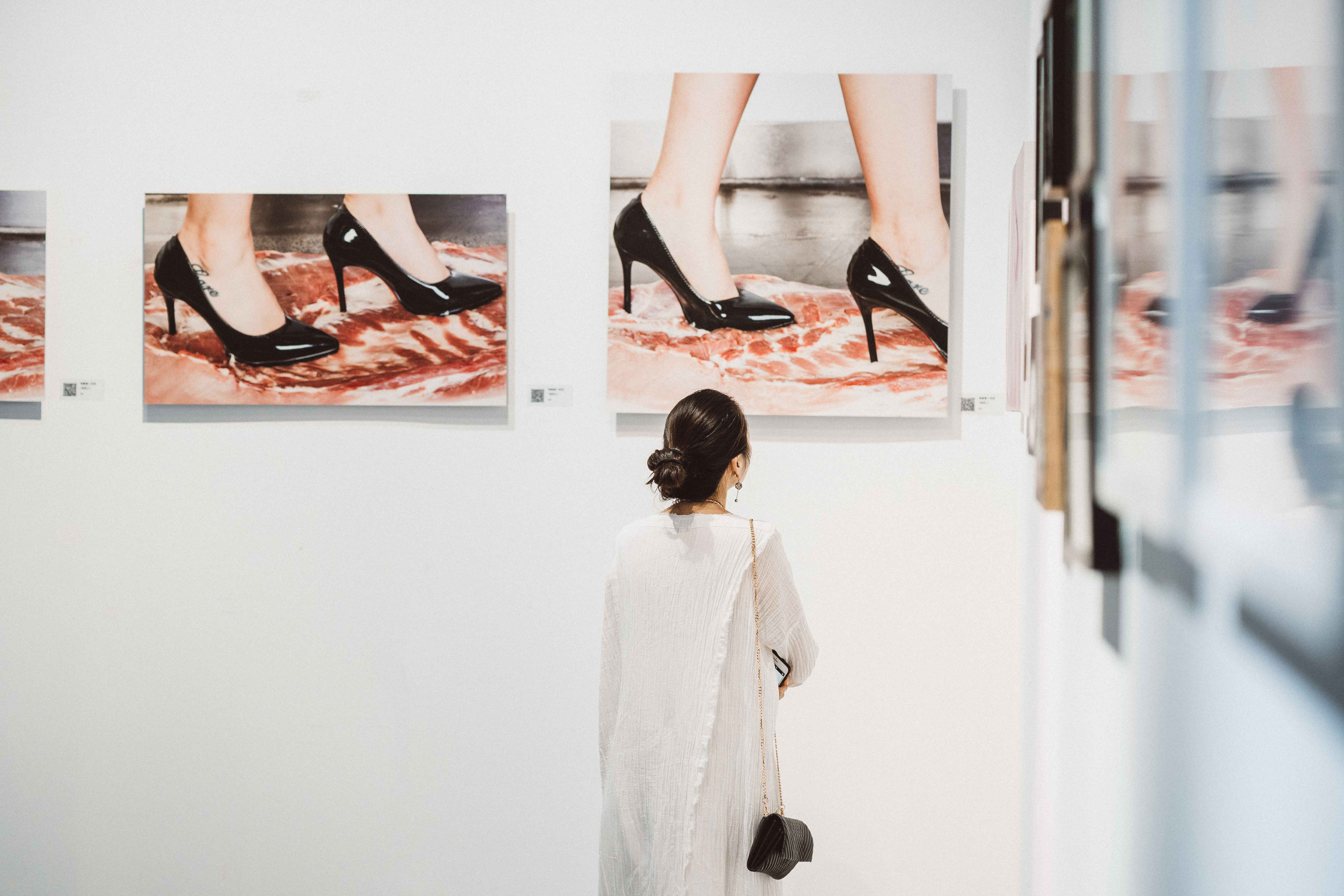
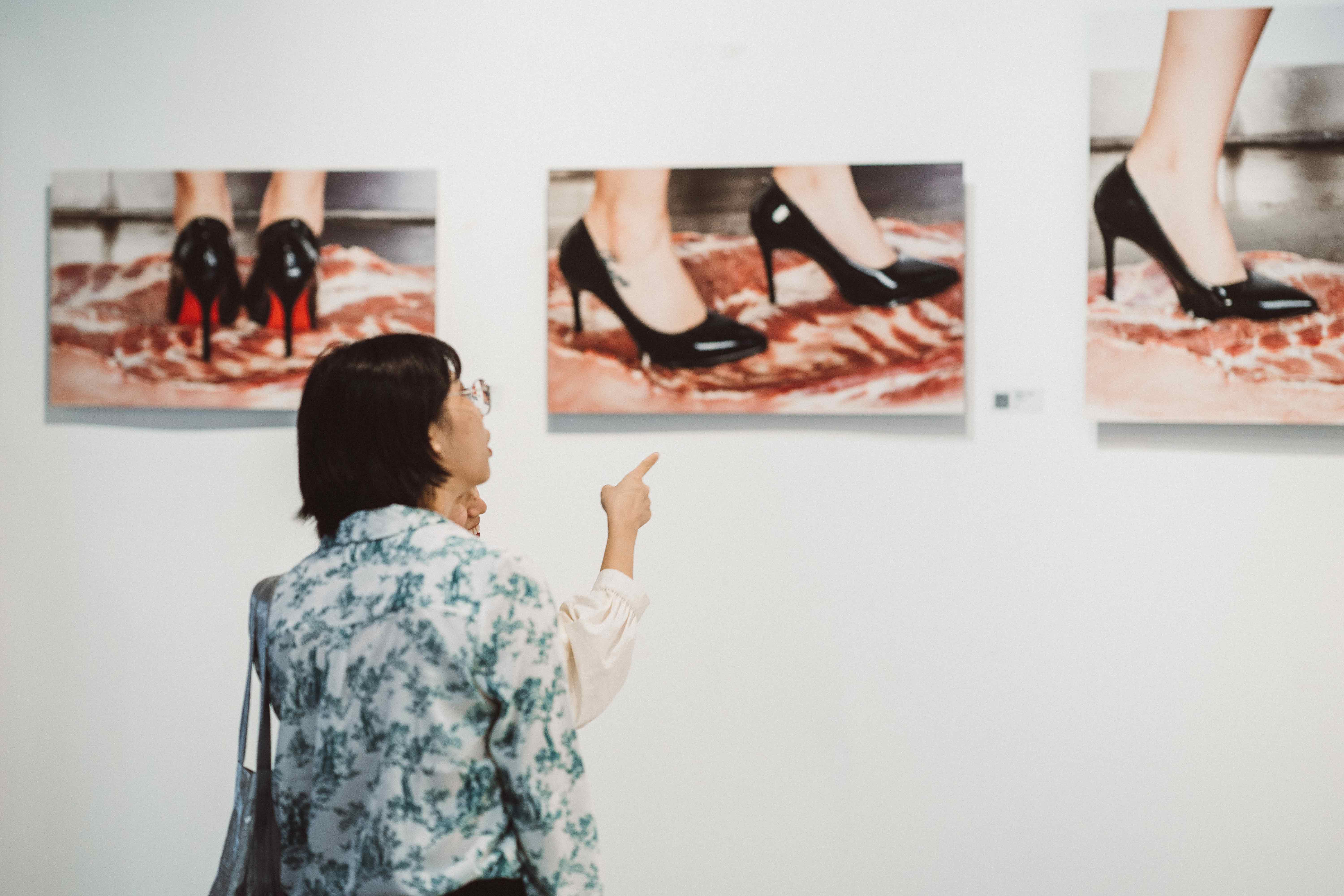
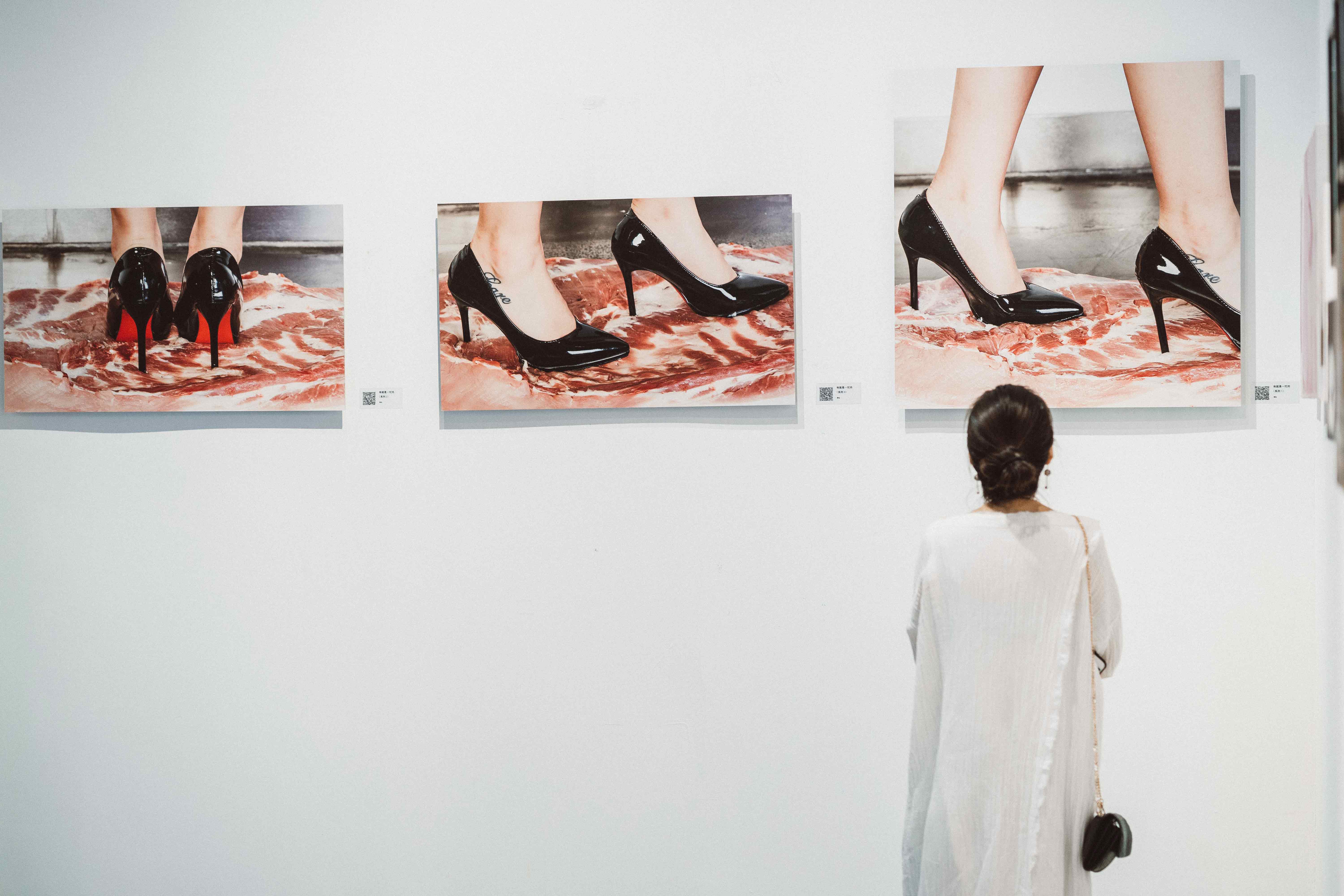
Work 1: It's Just a Piece of Meat
Regarding this series of works, I once tried to explore what meaning is.
To prevent viewers from hastily drawing worrying harmful inferences and反感 towards this series, I only want to remind that the scope of thought involved in the works is not limited by specific perceptual intuition, but possesses an unrestricted field. Only an intuition of what we think, that is, the determination of the categories of thought, is necessary. In the absence of intuition, the contemplation of the works can still have its real and useful consequences in the rational application beyond the theme, but such a determination of the theme and its meaning directed at personal categories of thought cannot and will not interfere with the discourse of the works themselves.
I excitedly wrote many texts about the "readability" and "sensibility" of the works and their meanings. I also tried to find the origin of concepts from traditional Chinese culture and Western grammatical systems. Every time I wrote a few sentences, I felt it was still not enough. Even if I filled hundreds of pages about the meaning of the works, I was still dissatisfied with this statement. So, I stopped talking about what they mean, only writing: "They are here." Yet I still couldn't be completely certain, until I asked someone, and he said: "You must stop right here, it's so wonderful, stop right here and say 'They are here'."



- Release:
- 2019
- Task:
- Art Creation
- Artist:
- Tang Yifei / togihi
Work 1: It's Just a Piece of Meat
Material | Mixed Media
Sometimes, the essence of a work is determined by the thinker.
And the way I provide is: thinking is carried out in the manner of a "state."
Suppose you think of "meat," and by consulting its path, you will consider the essence of "meat." You say to the meat: "Meat, what do you want?" The meat answers: "I like dignity." Suppose you say: "Dignity is too difficult. I can make you more useful. What do you think?" The meat answers: "I like dignity." You must respect the meat's argument and praise it, rather than deceive it, assign it menial tasks, and cause it to lose its individuality.
What you need to do is consider the state of dignity. You must imagine this "state" as a sublime symphony, compose it into a great poem, turn it into a towering, vaulted monument, endowing it with the characteristics of dignity, interspersed with elegant tones, high and narrow, gradually fading from white and bright into darkness.
—— Reshaping Design RIDS